The last runs of the season have been carved, the snow is melting, and it is officially time to put away your skis, snowboards, and all the associated gear. While the temptation might be to simply toss everything in the garage or a closet until the flakes fly again, that would be a costly mistake. Proper off-season storage is not just about keeping your equipment out of the way; it is a critical investment in the longevity, performance, and ultimate safety of your snow sports gear. Neglecting this vital step can lead to rusted edges, dried-out bases, warped boards, and damaged apparel, forcing expensive replacements when you are ready to get back on the mountain.
Preparing your equipment for its long summer hibernation requires a systematic approach. By implementing these expert-approved maintenance and storage hacks, you will ensure that your gear is not only protected from the elements but is also tuned and ready to go the moment the lifts open next season. This comprehensive guide will walk you through the essential steps for gear prep and organization, culminating in clever storage solutions for every piece of your winter arsenal, including how Tough Hook products can play a role in maintaining your valuable outerwear.
The Pre-Storage Prep: Maintenance is Key
Before anything goes into storage, it must be thoroughly cleaned, dried, and tuned. The corrosive effects of road salt, moisture, and dirt left on gear over the summer are the number one cause of premature equipment failure. Take the time now to perform the necessary maintenance to save yourself time and money later.

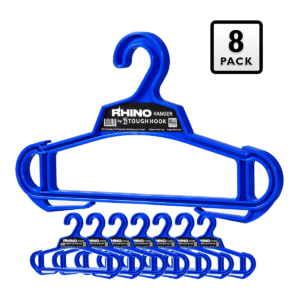
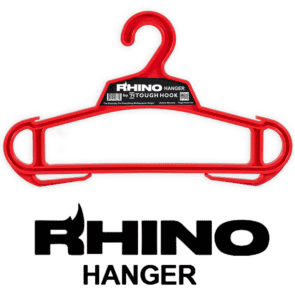
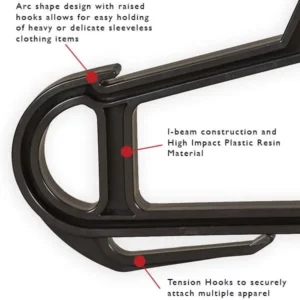

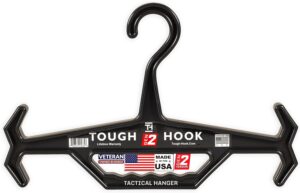

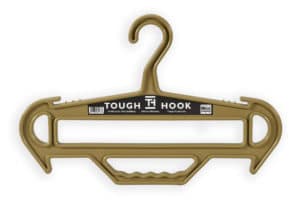



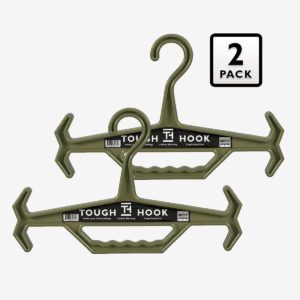

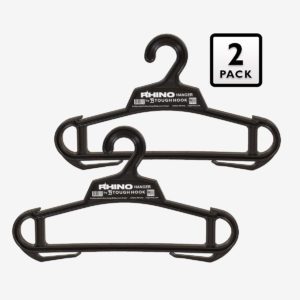
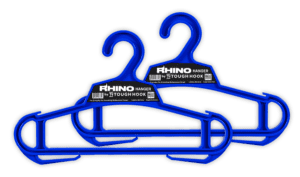
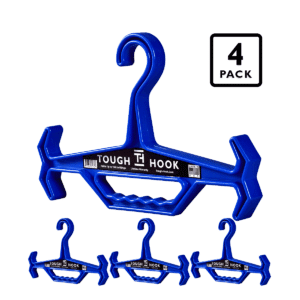
2 Pack RHINO Heavy Duty Clothes Hanger Bundle
Original price was: $25.95.$23.95Current price is: $23.95.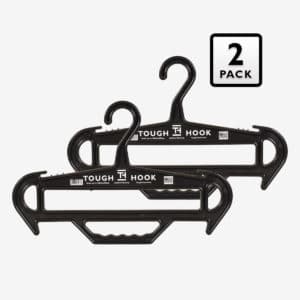
Skis and Snowboards
The “summer wax” is a non-negotiable step for long-term storage. This thick, unscraped layer of wax acts as a protective shield for your bases.
-
Clean the Bases and Edges: Wipe down all surfaces, including the top sheet, with a damp cloth to remove any dirt or residue. Be meticulous about drying the metal edges to prevent rust formation.
-
Inspect for Damage: Look closely for deep gouges in the base or significant nicks on the edges. Repairing these with P-Tex now prevents them from worsening during the off-season.
-
Apply a Storage Wax: Hot wax the base, but do not scrape it off. This thick layer of unscraped wax locks in moisture and prevents the base material from drying out and oxidizing.
-
Loosen the Bindings: Reduce tension on the binding springs by turning the DIN settings down to the lowest possible number. This prevents the spring mechanisms from wearing out prematurely. Remember to make a visible note or reminder to reset the DIN to your correct setting before your first run next season.
-
Store Flat or Vertically: Skis and boards should be stored in a neutral position—either standing upright or lying flat—in a cool, dry area. Avoid leaning them against a corner where pressure could cause warping.
Boots and Bindings
Your boots are the most critical piece of equipment for comfort and performance. Maintaining their shape and dryness is paramount.
-
Dry Completely: Remove the liners and footbeds from the shells and allow all pieces to air dry completely for at least twenty-four to forty-eight hours. Ensure they are out of direct sunlight or high heat sources.
-
Clean and Disinfect: Lightly clean the outside of the shells. If liners have an odor, use a specialized boot disinfectant spray to eliminate bacteria.
-
Maintain Buckle Shape: Once everything is completely dry, reassemble the boots and lightly buckle all clips. This maintains the boot’s integrity and shape, preventing the plastic from deforming during the long storage period.
-
Snowboard Bindings: Consider removing snowboard bindings, especially if you plan to store the board vertically, to avoid unnecessary stress on the board’s construction.
Storage Environment: Location, Location, Location
The choice of storage location is almost as important as the prep work itself. Extreme temperature fluctuations, excessive moisture, and pests are the enemies of snow sports gear.
Avoid the Extremes
Garages, uninsulated sheds, and attics are typically the worst places for sensitive equipment.
-
Cool and Dry is Best: The ideal storage area is one with stable temperatures and low humidity, such as a climate-controlled basement, a dedicated storage closet inside your home, or a specialized self-storage unit.
-
Keep Out of Direct Sunlight: UV rays degrade plastic and rubber components, causing them to crack and lose their integrity. Ensure your storage area is dark or your equipment is covered.
-
Protect from Pests: Store smaller, soft items like gloves and socks in sealed plastic totes to guard against insects or rodents.
Organization Hacks: Maximizing Your Space
A well-organized storage space prevents damage and makes the transition to next season effortless. Focus on vertical storage and utilizing specialized racks.
Utilizing Vertical Space
Getting gear off the floor is the fastest way to declutter and protect it.
-
Wall-Mounted Racks: Install simple, rubber-coated hooks or specialized racks to hang skis and snowboards vertically. This keeps them straight, prevents warping, and saves significant floor space.
-
Overhead Storage: Ceiling-mounted systems are excellent for storing items you will not need for several months, maximizing the often-wasted space above.
-
Dedicated Shelving: Use solid shelving units for boots, helmets, and other small accessories. Group similar items together and use clear, labeled bins for quick identification.
The Power of Heavy-Duty Hangers
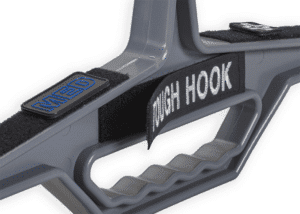
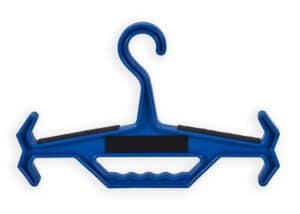
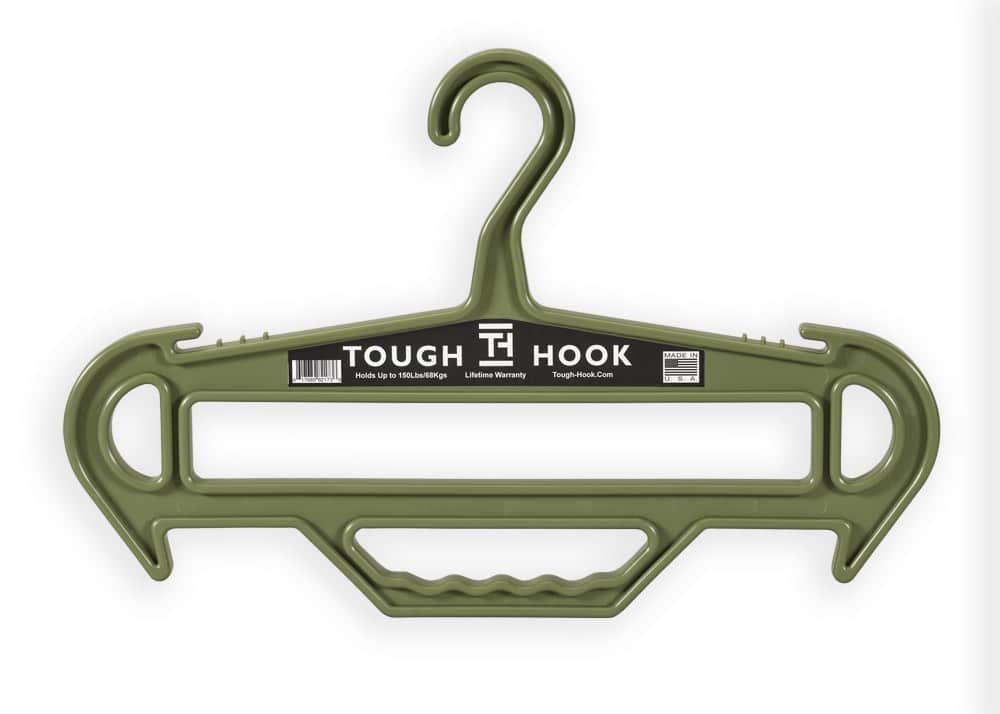
Your winter outerwear—jackets, pants, and heavy-duty equipment bags—represents a significant investment. Proper hanging is crucial to maintain their shape, preserve expensive insulation, and allow for air circulation. This is where a company like Tough Hook offers an invaluable solution.
The typical wire or thin plastic hanger simply cannot withstand the weight of a damp, insulated ski jacket or a heavy pack loaded with avalanche safety gear. Using inadequate hangers leads to:
-
Shoulder Deformation: Thin hangers cause creases and stretch the shoulder padding of expensive jackets, compromising their fit and warmth.
-
Hanger Breakage: Heavier items fall to the floor, where they can get dirty, be stepped on, or attract pests.
-
Lack of Air Circulation: Folding or stuffing bulky outerwear prevents it from fully drying, which can lead to mildew and degradation of technical fabrics.
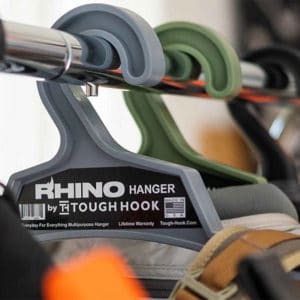
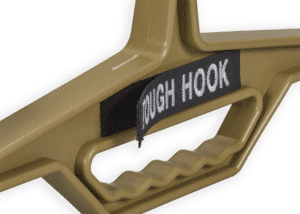
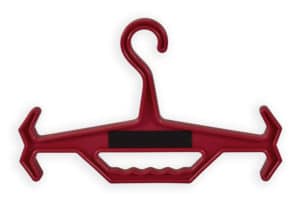
Tough Hook heavy-duty hangers are engineered to support serious weight, making them the perfect storage hack for your most valuable apparel.
-
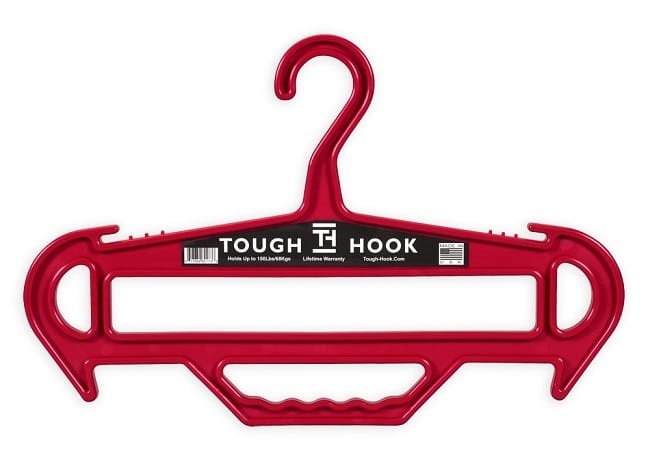
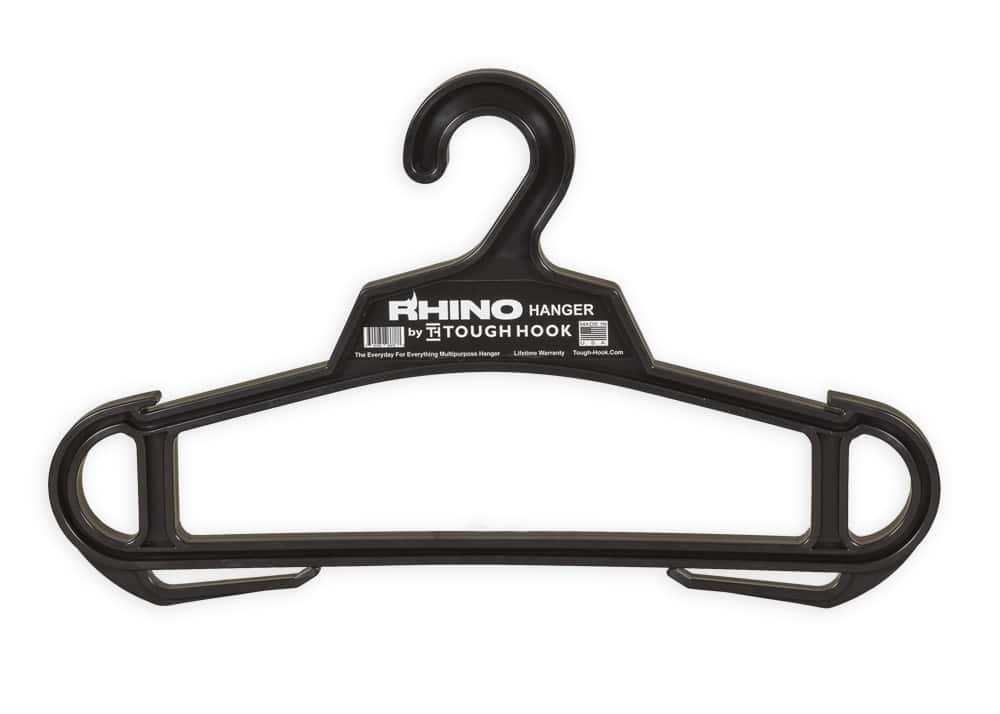
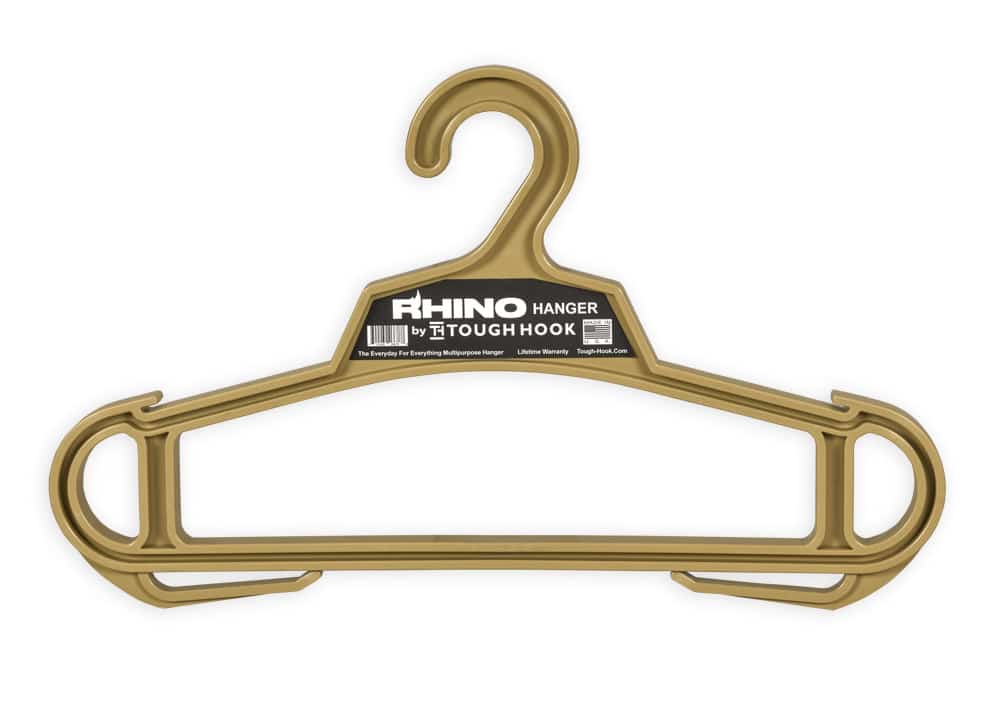
For Jackets and Snow Pants: Hang your technical outerwear on a Tough Hook hanger. The robust construction and broad shoulder surface support the garment’s full weight evenly, preventing stretching and maintaining the original shape of the insulation.
-
For Equipment Bags and Packs: Use the hooks on the Tough Hook to hang backpacks, boot bags, or even wet gear bags. Hanging these items allows them to completely drain and dry, which is essential for gear that is often exposed to snow and moisture. This is especially useful for air-drying gear after a late-season powder day.
Properly hanging your gear on a Tough Hook ensures that your high-performance outerwear is stored in a way that truly protects its structure and technical properties. It is a simple upgrade that yields long-term benefits for the expensive garments that keep you comfortable and safe on the slopes.
Gear-Specific Storage Best Practices
Beyond the basics, a few specific hacks for smaller items will round out your storage plan.
-
Helmets and Goggles: Store helmets in a clean, dry place, ideally in their original protective bag to prevent scratches. Goggles should be kept in their soft pouch, never stacked with the lens touching a hard surface. Never use an airtight container for these items, as it can trap any residual moisture.
-
Gloves and Mittens: Ensure all liners are fully dried. Place a small fabric sheet or cedar block in the storage bin to keep them fresh and ward off pests.
-
Poles and Accessories: Bundle ski poles together with a simple strap or hook and store them vertically alongside your skis. Use small cubbies or bins for spare waxes, tuning tools, and repair kits to keep your maintenance station organized.
By taking a methodical approach to cleaning, tuning, and storage, and by investing in robust organizational tools like the heavy-duty hangers from Tough Hook, you will not only reclaim your space but also guarantee that your entire snow sports arsenal is in prime condition. When the first snow falls, your gear will be waiting, ready for another season of adventure. Do the work now to enjoy the reward later.