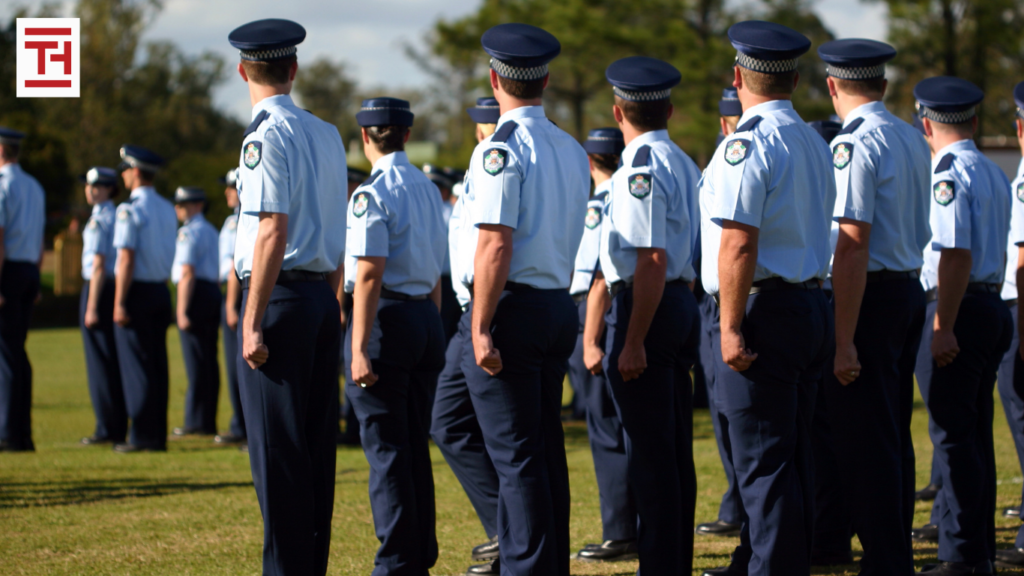
There is a distinct electricity in the air right before a major event. Whether you are a first responder preparing for a formal dress inspection, a cosplayer about to step onto the convention floor, or a bride moments away from walking down the aisle, the anticipation is palpable. In these high-stakes moments, your appearance tells a story. It speaks of professionalism, dedication, and attention to detail. However, nothing shatters that carefully curated image faster than deep-set wrinkles, crushed fabric, or a garment that has lost its shape due to improper storage.
The battle against wrinkles is not won on the morning of the event; it is won in the weeks and months of storage leading up to it. While many people focus heavily on cleaning and pressing their garments, they often neglect the most critical component of garment care: the hang. Gravity is constant, and if your hanging equipment cannot support the weight and structure of your outfit, gravity will eventually ruin it.
This guide explores the art and science of keeping your heaviest, most complex, and most important outfits event-ready at a moment’s notice.
The Physics of the Hang: Why Wrinkles Happen
To understand how to prevent wrinkles, you must first understand why they occur during storage. Wrinkles are not just random creases; they are the result of pressure and fabric memory. When a garment is hung on a hanger that is too narrow, too weak, or shaped incorrectly, the fabric bunches up. Over time, the fibers “learn” this new position, resulting in stubborn creases that steaming often struggles to remove.
For standard clothing, a plastic or wire hanger might suffice. However, for specialized gear—such as tactical uniforms, elaborate cosplay armor, or heavy formal wear—standard hangers are a liability. They bow under the weight, causing the shoulders of the garment to collapse inward. This leads to the dreaded “shoulder bumps” and vertical stress wrinkles down the center of the chest and back.
To combat this, you need a support system that mimics the breadth of human shoulders and possesses the structural integrity to resist bowing. This is where the distinction between a standard hanger and a heavy-duty tool becomes apparent.
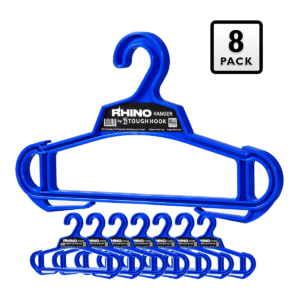
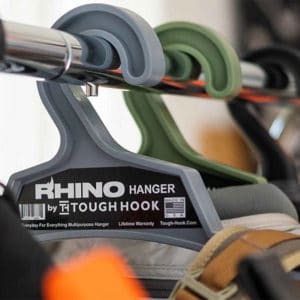
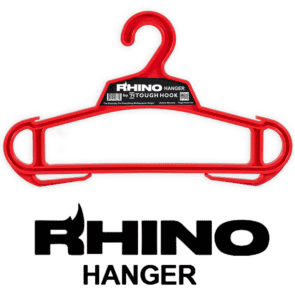

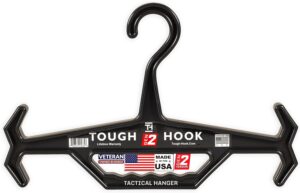
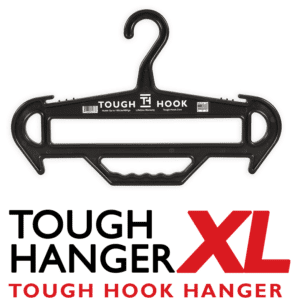
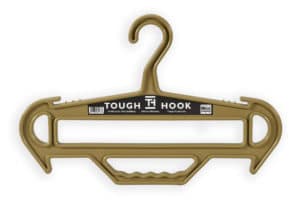
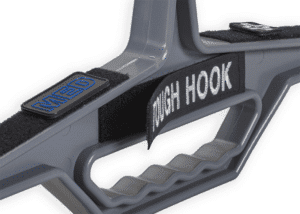
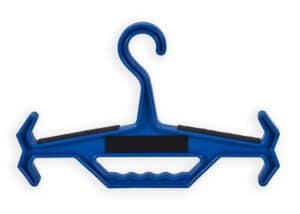
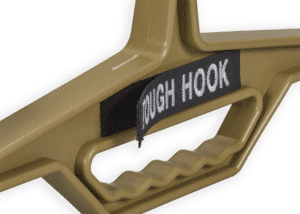
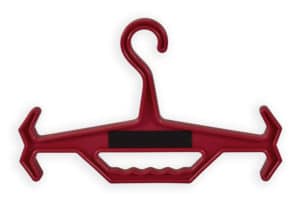
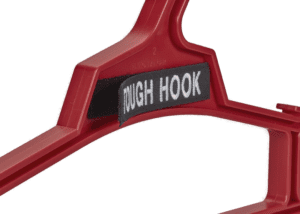
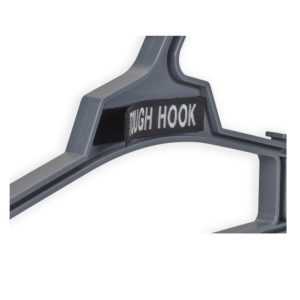
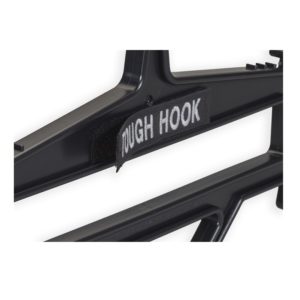
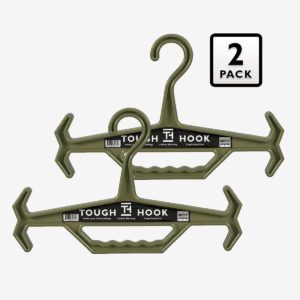

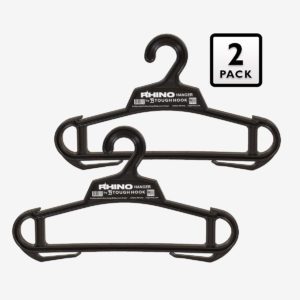
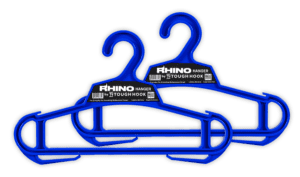
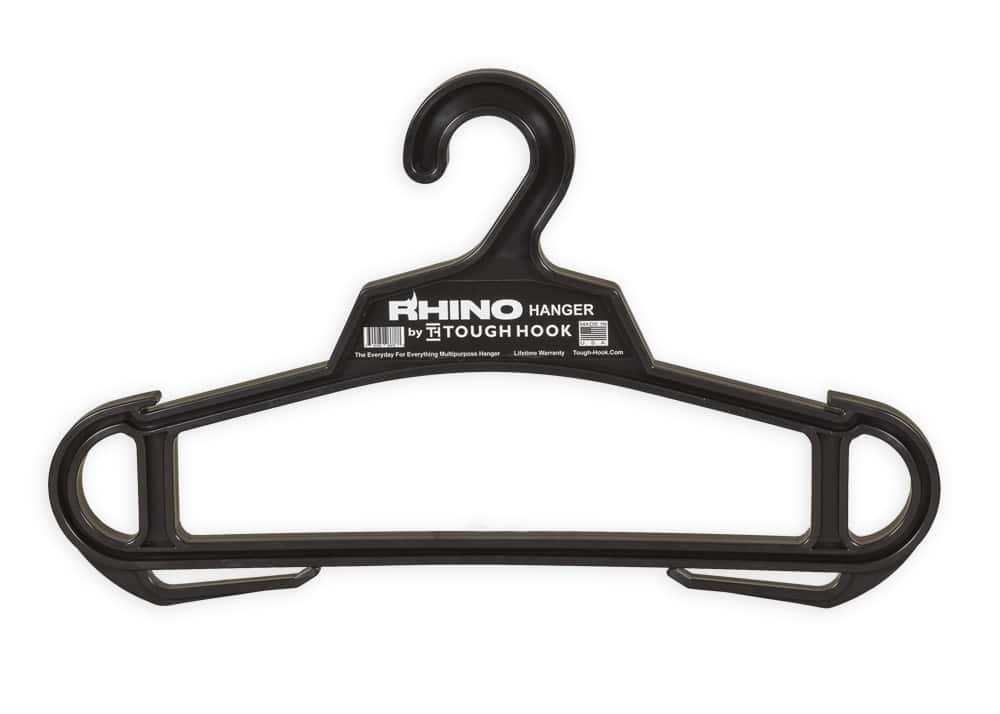
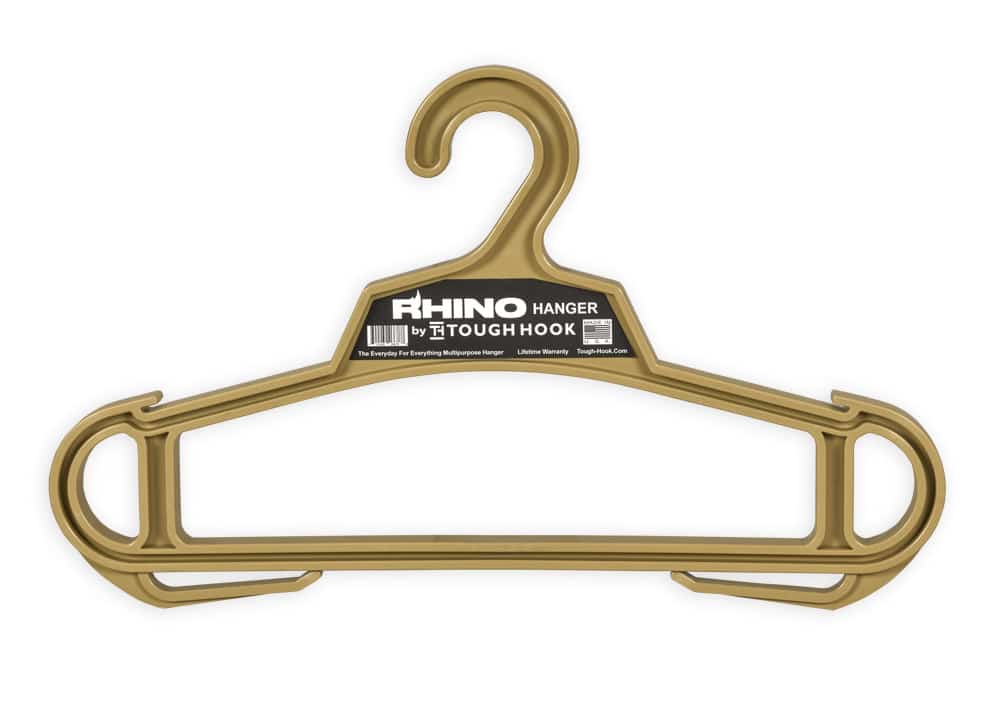
2 Pack RHINO Heavy Duty Clothes Hanger Bundle
Original price was: $27.95.$23.95Current price is: $23.95.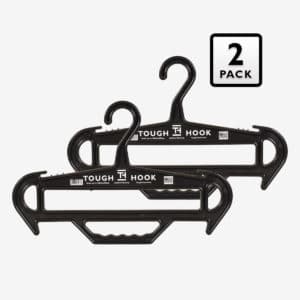
The Foundation of Care: Choosing the Right Equipment
If you are hanging a heavy police uniform with a belt attached, a firefighter’s turnout gear, or a costume made of Worbla and high-density foam, a department store hanger will snap. Even wooden hangers can warp over time in humid conditions.
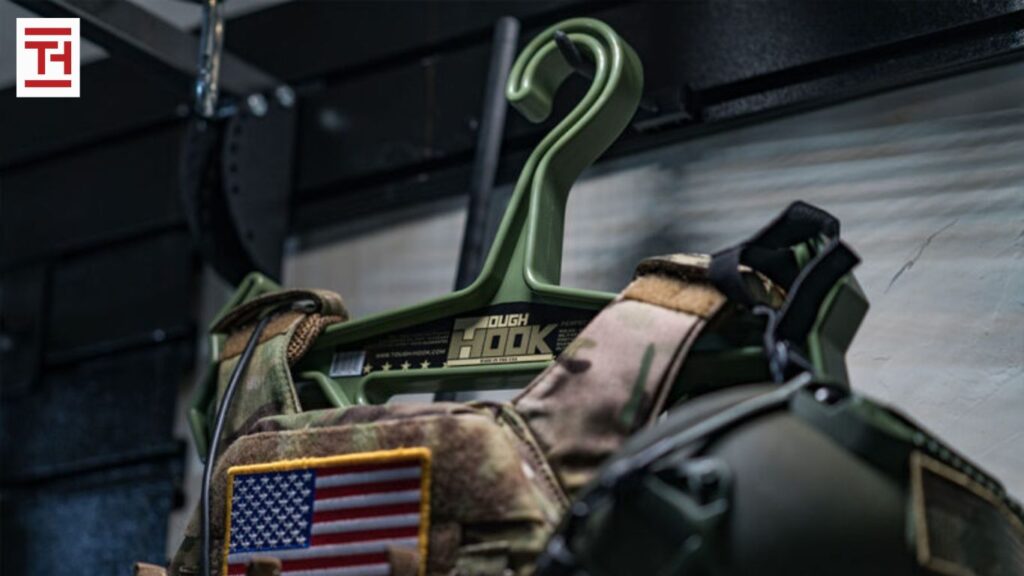
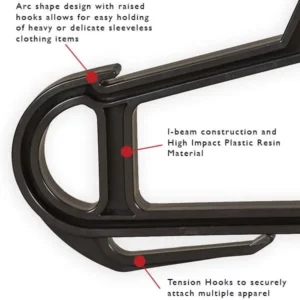
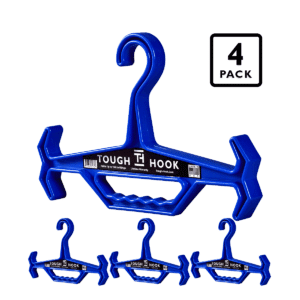
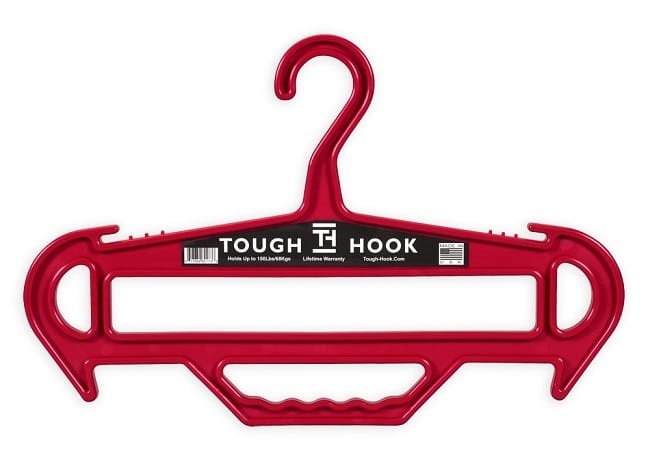
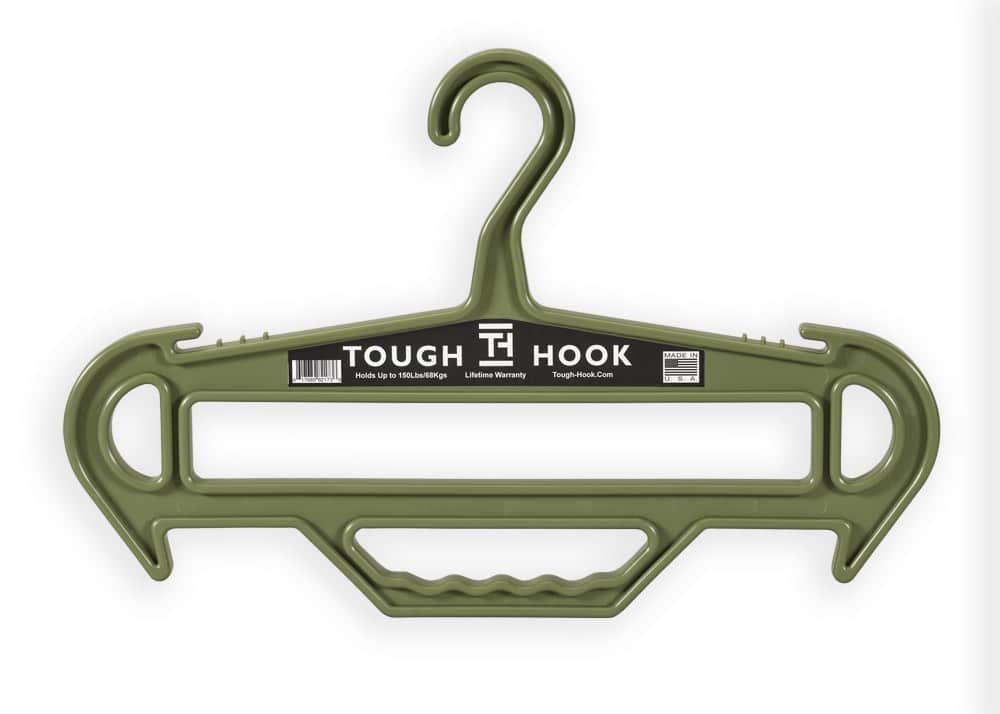
For these scenarios, you need equipment designed for load-bearing. This is where Tough Hook changes the game. Unlike traditional hangers, Tough Hook products are purpose-built to handle over 200 pounds of load capacity. By utilizing a patented I-beam construction, these hangers do not bend, flex, or warp. This rigidity is essential for wrinkle prevention because it keeps the fabric taut and in its proper alignment, regardless of the garment’s weight.
When selecting your hanging equipment, consider the following criteria:
-
Load Capacity: Ensure the hanger can support the total weight of the garment plus any accessories attached to it.
-
Shoulder Width: The hanger must be wide enough to support the shoulder seams, preventing the sleeves from drooping and creating creases in the upper arm.
-
Material Rigidity: The hanger should have zero flex; if the hanger bends, the garment wrinkles.
-
Hook Design: An integrated, non-swivel hook is often safer for heavy transport, as it prevents the garment from swinging wildly and hitting other objects.
Step-by-Step Guide to the Perfect Hang
Once you have the proper equipment, the technique is the next hurdle. Hanging a heavy or special outfit requires a methodical approach to ensure it remains pristine.
1. Preparation and Inspection
Before the garment goes on the hanger, it must be completely dry and cool. Never hang a uniform or costume immediately after ironing or steaming while it is still warm. Warm fibers are malleable; if you hang them while they are damp or hot, they will mold to the shape of the hanger immediately, potentially creating permanent distortions.
2. The Center of Gravity
When placing a heavy outfit on a hanger, balance is key.
-
Alignment: Center the collar perfectly on the neck of the hanger to ensure equal weight distribution on both sides.
-
Fasteners: Button the top button, zip the zippers, and snap the snaps.
-
Structure: This helps the garment maintain its structural integrity and prevents it from sliding off center, which causes diagonal wrinkles across the torso.
3. managing Accessories and Bulk
One of the biggest challenges with uniforms and costumes is the accessories. Plate carriers, utility belts, and capes add significant drag.
-
Integration: If your gear allows, hang the accessories on the same system.
-
Capabilities: A Tough Hook hanger is designed to hold a plate carrier and a helmet simultaneously, keeping the entire loadout in one vertical line.
-
Gravity: By keeping the weight vertical, you pull the fabric straight down, using gravity to naturally release minor wrinkles rather than creating new ones.
Transporting Your Gear Without Damage
The most dangerous time for any special outfit is the journey to the event. Whether you are driving to a convention center or flying to a ceremony, transit is where wrinkles attack. The “throw it in the back seat” method is a recipe for disaster.
To transport heavy gear successfully, utilize the unique features of your equipment:
-
The Flip Method: Tough Hook hangers feature a reversible design that allows you to flip the hook over. This is incredibly useful for hanging gear on roll bars, inside vehicles, or on tactical racks where standard hooks might slip off.
-
Garment Bags: Always use a breathable garment bag that is long enough for the outfit.
-
Spacing: Do not cram the bag. If the bag is too tight, it will compress the fabric.
-
Suspension: Ensure the garment hangs freely during transport rather than lying flat. If it must lie flat, place it on top of all other luggage, never underneath.
Long-Term Storage Strategies
After the event is over, how you store the outfit determines its lifespan. Special outfits are often seasonal or occasional, meaning they may sit in a closet for months.
-
Ventilation: Avoid plastic dry-cleaning bags for long-term storage, as they can trap moisture and cause yellowing; use cotton or canvas bags instead.
-
Spacing: Leave at least two inches of space between heavy garments in your closet to allow fibers to breathe and relax.
-
Inspection: Check your gear every few months.
-
Rotation: If you are not using a non-slip hanger, ensure the garment hasn’t shifted.
The Investment in Presentation
Your uniform, costume, or formal wear is an investment. It costs money to acquire and time to maintain. It makes little sense to protect a thousand-dollar investment with a ten-cent plastic hanger.
By upgrading to heavy-duty solutions like Tough Hook, you are doing more than just organizing your closet. You are actively preserving the life of the fabric. You are ensuring that when the time comes to perform, present, or celebrate, you are not frantically searching for an iron. Instead, you are calm, collected, and confident, knowing your gear is as ready as you are.
Whether you are hauling scuba gear, a fully loaded tactical vest, or a screen-accurate replica costume, the right hanger eliminates the stress of preparation. Treat your gear with the respect it deserves, and it will ensure you look your absolute best when the spotlight is on you.