Work uniforms have to survive things casual clothes never face: daily washing, constant friction, and hours of wear per shift. That’s why the biggest gains in uniform lifespan come from three things most people never think about: how you wash them, how you dry them, and how you hang them between shifts. If you open your closet and compare a three-year-old weekend t-shirt to a work shirt you bought six months ago, the difference is often startling. While your casual clothes might still look fresh, your work uniform likely shows signs of thinning fabric, frayed cuffs, or faded colors. It feels like a paradox: workwear is marketed as “heavy-duty,” yet it seems to hit the rag bin much faster than the rest of your wardrobe.
Understanding the mechanics of textile degradation is essential for anyone in manual labor, public safety, or skilled trades. Replacing uniforms is a significant recurring expense, and for business owners, it can be a major drain on overhead. By identifying why these garments fail and implementing professional-grade maintenance strategies, you can double or even triple the lifespan of your gear.
The Science of Premature Wear and Tear
Work uniforms do not exist in the same environment as casual wear. From the moment you clock in, your clothing is subjected to stressors that the average cotton polo will never face.
- Mechanical Friction: Whether you are sliding under a vehicle, carrying lumber, or wearing a heavy-duty belt, your clothes are constantly rubbing against abrasive surfaces. This friction physically shears the fabric fibers, leading to pilling and eventual holes.
- Chemical Exposure: Many workers deal with oils, degreasers, or harsh cleaning agents. Even if you do not spill these directly on yourself, airborne particulates and residues settle into the weave, breaking down the chemical bonds of the synthetic or natural fibers.
- High-Frequency Laundering: Unlike a pair of jeans you might wear three times before washing, work uniforms are typically laundered after every single shift. The agitation, heat, and detergents used in frequent washing are arguably the most destructive forces a garment faces.
- Perspiration and pH Levels: Sweat is surprisingly corrosive. The salts and acids in human perspiration can weaken elastic fibers and cause discoloration, especially in the underarms and collar.

The Hidden Culprit: Improper Storage
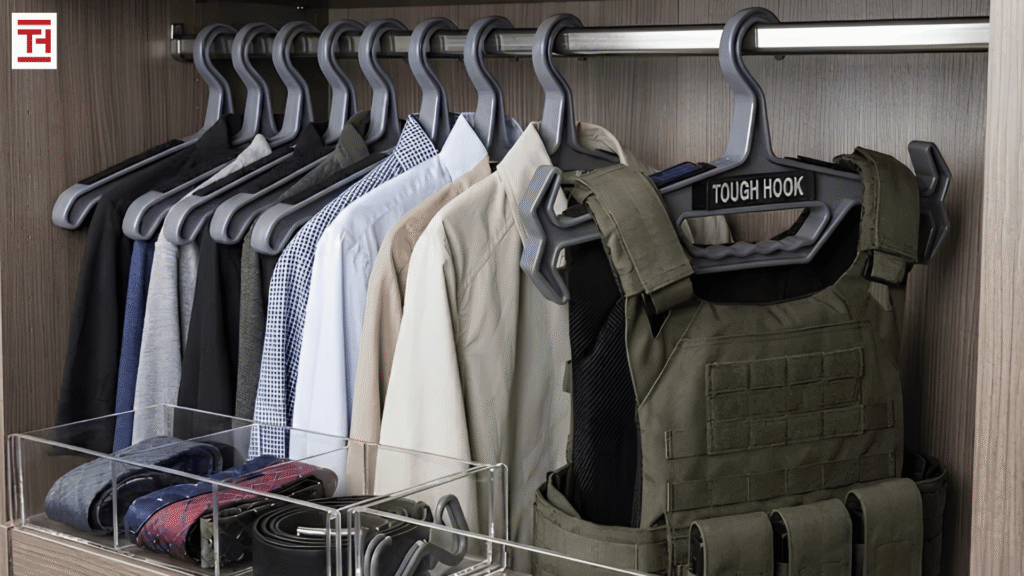
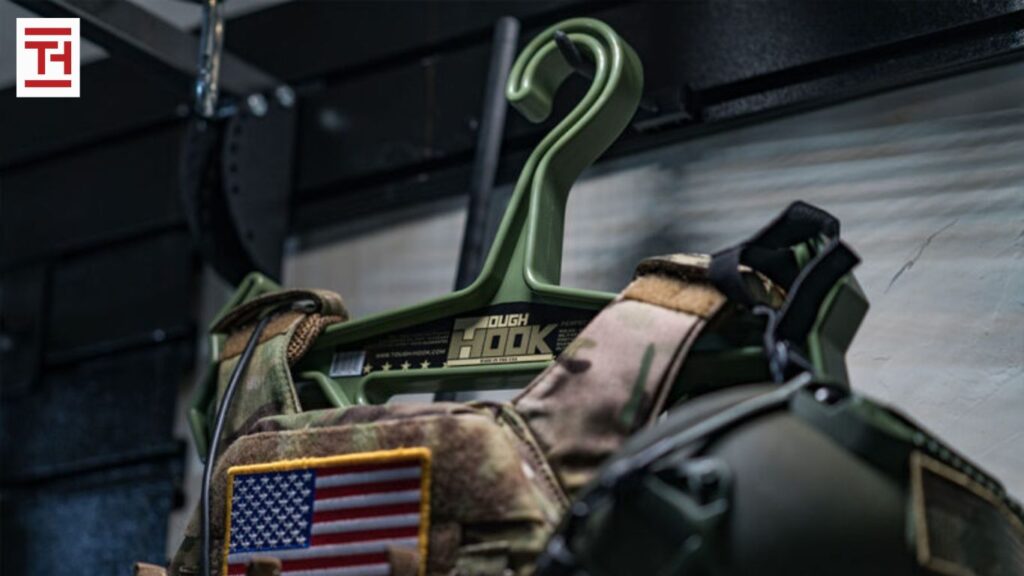
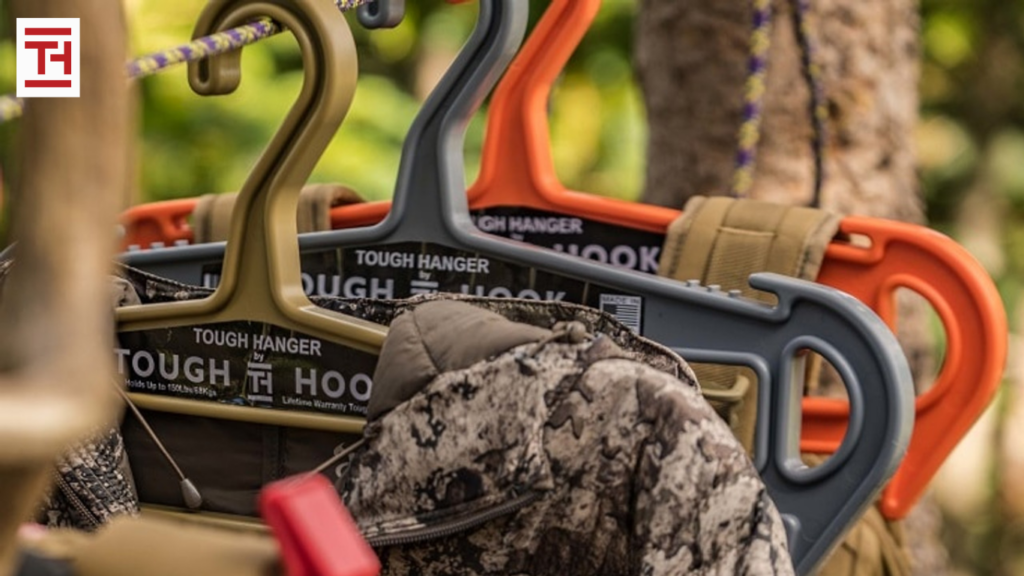
Hanging heavy work gear on a hanger built for dress shirts is one of the fastest ways to undo good laundering and drying habits. Standard hangers create permanent shoulder stretching under the weight, and a snapped hanger drops your gear onto the closet floor, where it collects moisture and mildew. For the full breakdown of how storage affects uniform structure, see our guide to maintaining professional appearance through proper storage here. The short version: use a hanger rated for the actual weight of what you’re hanging.
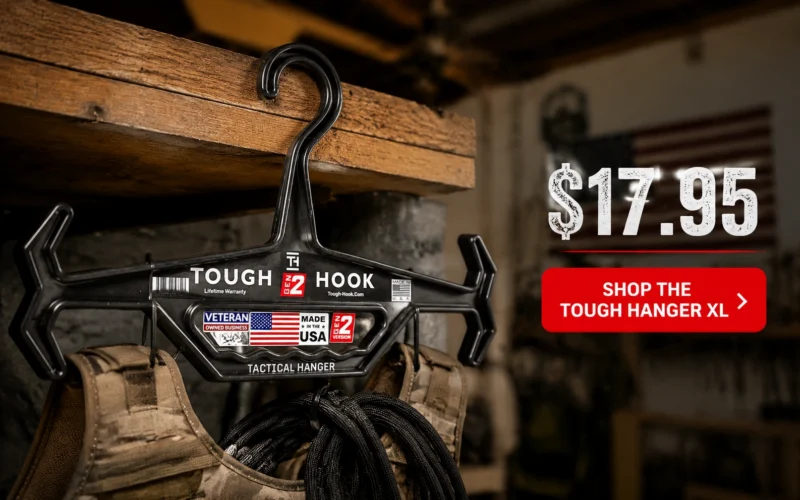
Rated for the weight of real work gear. The Tough Hanger XL holds up to 200 lbs and is built for uniforms and gear that standard hangers can’t handle.
Read the Care Label Before You Wash Anything
Every work uniform ships with a care label that spells out the manufacturer’s exact washing, drying, and ironing instructions for that specific fabric. Skipping this step is one of the fastest ways to shrink a garment, bleed its color, or strip a flame-resistant treatment before its time. A cotton-poly blend and a fully synthetic performance fabric can call for different water temperatures and dryer settings, so treat the label as your starting point and adjust only when you understand that fabric’s specific weak points.
Best Practices for Laundering Workwear
If you want your uniforms to last, you must move away from the “toss it in and hope for the best” approach to laundry. Proper cleaning is a balance between removing industrial grime and preserving fiber strength.
- Turn Garments Inside Out: This is the simplest way to prevent the “frosting” effect, in which the outer face of the fabric loses color from rubbing against the washer drum.
- Avoid Fabric Softeners: While they make clothes feel soft, softeners leave a waxy coating that can destroy the moisture-wicking properties of performance fabrics and reduce the effectiveness of flame-resistant treatments.
- Wash in Cold Water: High temperatures can cause fibers to expand, making them more prone to breakage. Unless your clothes are covered in heavy grease that requires heat to break down, cold water is much gentler on the weave.
- Fasten All Closures: Zippers, Velcro, and snaps should be closed before washing. An open zipper acts like a saw blade inside the washing machine, snagging and tearing other garments in the load.
Pick the Right Detergent and Skip the Bleach
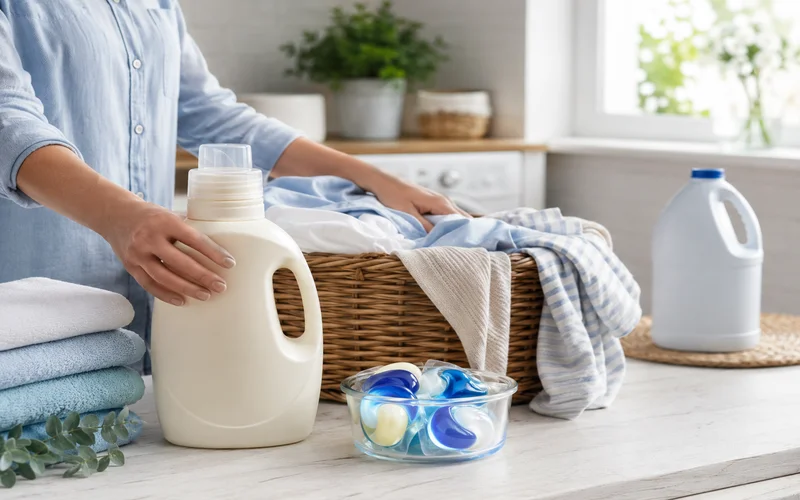
Detergent choice matters as much as water temperature. A mild, dye-free detergent breaks down grime and body oils without the harsh surfactants that weaken stitching and fade color over repeated washes. Run uniforms on a gentle or delicate cycle instead of a heavy-duty setting, since aggressive agitation adds mechanical wear on top of what the job already puts the fabric through. Chlorine bleach deserves its own warning: it strips color fast and breaks down fibers along with it, so reach for an oxygen-based stain remover on tough spots instead. Whatever detergent you choose, avoid overloading the washer; uniforms need room to move through the water for the detergent to reach the fabric evenly.
The Importance of Material Rotation
A common mistake is owning only two sets of uniforms and cycling them back-to-back. This gives the fibers no time to “relax.” Synthetic fibers and elastic blends need time to return to their original shape after being stretched and heated during a shift.
By maintaining a rotation of at least four or five uniforms, you reduce the wash frequency for each individual item. While the upfront cost of buying more uniforms is higher, the “cost per wear” drops significantly because each garment lasts much longer when it isn’t being stressed every 48 hours. For a closer look at hanging and rotating multiple uniforms without cross-contaminating your gear, see our guide on how to hang and rotate uniforms to avoid cross-contamination.
Advanced Drying Techniques
The dryer is often the graveyard for workwear. The high heat of a commercial or domestic dryer cooks the fibers, making them brittle. If you have ever cleaned out your lint trap and noticed it is full of the color of your uniform, you are literally looking at the disintegrated remains of your clothing.
- Air Dry Whenever Possible: Hanging your gear to dry is the gold standard for longevity. Using a load-rated heavy-duty hanger allows you to hang even heavy, wet gear outside or in a ventilated room without worrying about the hanger breaking or the garment slipping.
- Use Low Heat: If you must use a dryer, set it to the lowest heat setting possible. It will take longer, but your clothes will thank you.
- Remove Promptly: Taking clothes out while they are still slightly damp and hanging them up helps prevent permanent wrinkles and reduces the need for ironing, which is another heat-based stressor.
Iron and Steam Without Adding Heat Damage
Ironing is not off-limits, but it is another heat-based stressor when it is done carelessly. Turn the garment inside out or lay a thin cloth over any printed logos, reflective tape, or flame-resistant treatments before pressing, and keep the iron on a low or medium setting matched to the fabric. A garment steamer is a gentler alternative for removing wrinkles from synthetic blends that scorch easily under a hot iron. Uniforms pulled from the dryer while still slightly damp, as recommended above, usually need less ironing in the first place.
Inspection and Proactive Repair
Small problems become big problems very quickly in a high-intensity work environment. A tiny snag in the crotch or a loose thread on a pocket can turn into a massive tear during a single shift.
- Check Stress Points: Weekly, inspect the underarms, crotch, and pocket corners. These are the areas most likely to fail first.
- Reinforce Early: If you see a loose thread, trim it and secure it. If a button is wobbly, sew it back on before it falls off and disappears.
- Treat Stains Immediately: The longer a chemical or organic stain sits, the more it bonds with the fabric. Proactive spot-treating prevents the need for aggressive scrubbing or harsh bleaching later.
How Long a Work Uniform Should Actually Last
Even with careful maintenance, no uniform lasts forever, and knowing when to retire one keeps you from relying on gear that no longer does its job. A daily-wear shirt or polo in a physically demanding role typically holds up for six to twelve months before the fabric thins past the point of reinforcement. Heavier pieces like jackets and outerwear can last two to three years with proper rotation and storage. Replace a uniform once the fabric feels thin enough to see through, once reflective or flame-resistant treatments have visibly worn away, or once repairs are happening faster than you can keep up with them. Waiting past that point does not save money; it just shifts the cost from a planned replacement to an unplanned one.
Choosing the Right Gear from the Start
Sometimes, uniforms wear out quickly simply because they weren’t right for the task. When selecting workwear, look for “spec” rather than “style.” Look for reinforced knees, triple-stitched seams, and gusseted crotches. Fabric choice matters just as much as construction: a poly-cotton blend resists wrinkling and dries faster than 100% cotton, while ripstop weaves resist tearing under the kind of mechanical friction described earlier in this guide.
Once you have invested in high-quality gear, the responsibility shifts to how you house it. Professional equipment requires professional storage. If you are a police officer hanging a 20-pound ballistic vest or a diver hanging a heavy wet suit, using a consumer-grade hanger is a recipe for gear failure. Utilizing the specialized design of a Tough Hook ensures that your investment is protected the moment you take it off. EMS providers face an added hygiene concern between shifts; our guide to maintaining hygiene in EMS uniforms through effective storage and rotation strategies breaks down how to manage that.
The rapid wear of work uniforms isn’t an inevitability; it is usually the result of a mismatch between the intensity of the work and the quality of the care. By understanding the stressors of friction and chemicals, perfecting your laundry routine, and utilizing heavy-duty storage solutions like Tough Hook hangers, you can keep your professional appearance sharp and your replacement costs low. Your gear works as hard as you do; it deserves a maintenance routine that reflects that reality.
Frequently Asked Questions
What temperature should I wash work uniforms at?
Cold water. High heat expands and weakens fibers, so unless a garment is covered in heavy grease that needs heat to break down, cold water is gentler on the weave and helps colors last longer.
Should I use fabric softener on work uniforms?
No. Softeners leave a waxy coating that can destroy moisture-wicking properties and reduce the effectiveness of flame-resistant treatments.
Should I air-dry or machine-dry work uniforms?
Air drying is the gold standard for longevity. If you must use a dryer, use the lowest heat setting and remove garments while still slightly damp to reduce ironing.
How many uniforms should I own to make them last longer?
At least four or five in rotation. This spreads the wash frequency across garments, so no single uniform is stressed every 48 hours.
How do I stop small tears from getting worse?
Inspect stress points, underarms, crotch, and pocket corners, weekly, and reinforce loose threads or wobbly buttons as soon as you spot them, rather than waiting.
How should I store work uniforms to prevent damage?
Use a hanger rated for the garment’s actual weight. Standard hangers cause permanent shoulder stretching with heavy gear; a load-rated hanger prevents it and maintains the uniform’s shape between shifts.
Should I follow the care label instructions when washing a work uniform?
Yes. The care label reflects the fabric blend and any flame-resistant or moisture-wicking treatments used on that specific garment, so it takes priority over generic washing advice.
Can I use bleach on work uniforms?
Avoid chlorine bleach. It strips color and breaks down fibers quickly, so use an oxygen-based stain remover on tough spots instead.
How long do work uniforms typically last before they need replacing?
A daily-wear shirt or polo usually lasts six to twelve months in physically demanding work, while heavier pieces like jackets can last two to three years with proper rotation and storage.