A good coat is an investment that should last for many years. But like any other garment, coats are susceptible to wear and tear if they are not stored properly. Crushed down, moth holes in wool, cracked leather, and shoulder bumps from the wrong hanger are all avoidable. Knowing how to store coats the right way, both day to day and over the off-season, can extend their life and keep them looking their best for seasons to come.
In this article, we’ll discuss proper storage techniques for different types of coats, including:
- Leather jackets
- Wool coats
- Down jackets
- Puffer jackets
- Raincoats
- Luxury and tailored coats
We’ll also provide some general storage techniques that apply to all types of coats, plus tips for summer storage, moth protection, and everyday jacket storage at home.
Quick Steps: How to Store Coats Properly
- Clean it first. Spot clean, wash, or dry clean according to the care label so dirt and body oils do not attract pests.
- Make sure it is completely dry. Never store a coat that is even slightly damp.
- Use a sturdy, broad-shouldered hanger. It keeps the shoulders in shape and supports the weight of heavy coats.
- Cover it with something breathable. Use a cotton or fabric garment bag instead of plastic.
- Store it somewhere cool, dry, and dark. Avoid hot attics, damp basements, and direct sunlight.
- Give it space. Leave room between coats so they are not crushed and air can circulate.
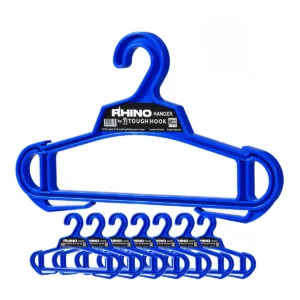


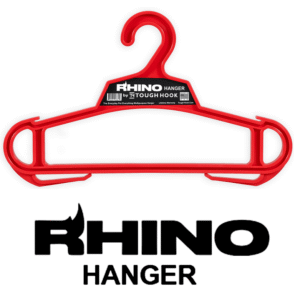
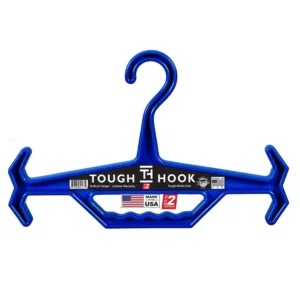

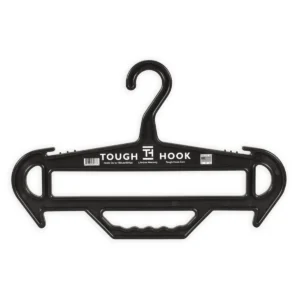


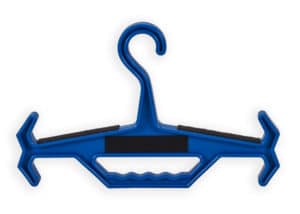

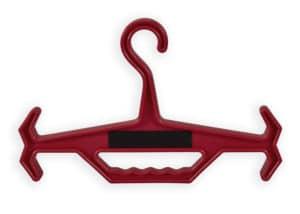

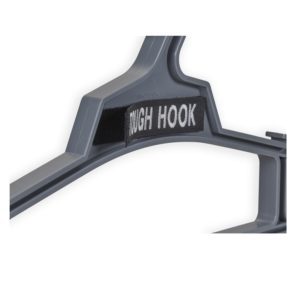



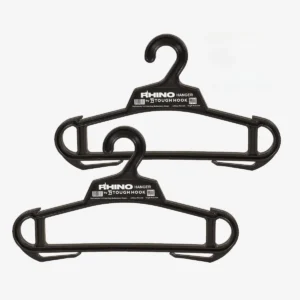
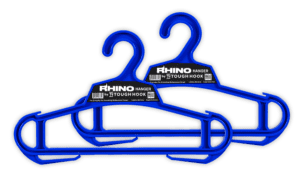
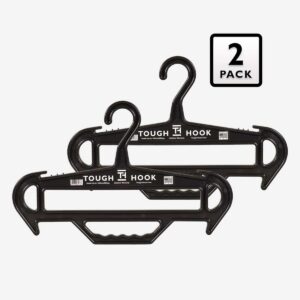
2 Pack RHINO Heavy Duty Clothes Hanger Bundle
Original price was: $27.95.$23.95Current price is: $23.95.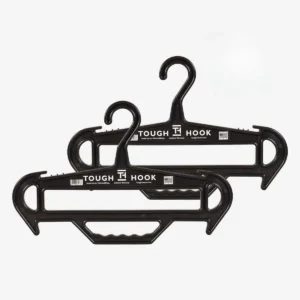
General Storage Tips for All Coats

Before we get into specific care for different coat materials, here are some general storage tips that apply to all coats:
- Clean your coats before storing them: Dirt, grime, and salt can attract pests and damage the fabric over time. Gently spot clean your coat or have it professionally dry cleaned according to the care label instructions.
- Choose the right hanger: Avoid flimsy wire hangers that can cause your coat to lose its shape. Invest in sturdy hangers with broad shoulders that can support the weight of your coat. For heavier coats, consider using heavy-duty coat hangers, which are designed to handle extra weight and bulk without bending or warping.
- Store your coats in a cool, dry place: Avoid storing your coats in hot attics, damp basements, or direct sunlight. These conditions can dry out leather, fade colors, and promote mildew growth. Opt for a cool closet shelf or wardrobe with good air circulation.
- Give your coats some breathing room: Don’t cram them together tightly. Allow for some space between garments so wrinkles don’t set in and air can circulate.
How to Avoid Shoulder Bumps and Hanger Marks
Shoulder bumps, the small peaks that form where a narrow hanger pokes into the fabric, are one of the most common problems with stored coats, especially tailored wool coats and blazers. To avoid them:
- Use a hanger that is wide enough to fill the shoulders of the coat without sticking out past the seams.
- Choose a rigid hanger that will not bend under the weight of a heavy coat.
- Button or zip the coat once it is on the hanger so it hangs evenly.
- Do not hang a heavy coat over another garment on the same hanger.
For a closer look at why shoulder support matters, read our guide to load distribution and shoulder support.
How to Hang Long Coats in a Short Closet
If a long coat drags on the closet floor, the hem can crease or pick up dust. Move long coats to a section of the closet with no shelf or rod below, use a door-mounted or freestanding rack, or hang them in a hall closet with a higher rod. Avoid folding the bottom of the coat up over the hanger, since that leaves a hard crease across the fabric.
Specific Storage Techniques for Different Types of Coats
Now that we’ve covered the general storage basics, let’s talk about specific care for different types of coat materials.
How to Store Leather Jackets
Leather jackets require a bit more TLC than other coats. Here’s how to store them properly:
- Condition the leather: Before storing your leather jacket, use a leather conditioner to replenish oils and maintain its suppleness.
- Hang it loosely: Don’t fold your leather jacket, as this can create permanent creases. Use a sturdy hanger with broad shoulders and hang the jacket loosely in a cool, dry closet.
- Stuff the sleeves: To prevent the leather from sagging, gently stuff the sleeves with acid-free tissue paper.
- Skip the plastic: Leather needs to breathe. A breathable fabric garment bag protects it from dust without trapping moisture.
Learn more in our article on leather care and why hanger choice matters.
How to Store a Wool Coat
Wool coats are naturally breathable and wrinkle-resistant, but they still need proper storage. Here are some tips:
- Brush away dirt and debris: Use a soft brush to remove any dirt, dust, or lint before storing your wool coat.
- Air it out: Wool can absorb odors. If your coat has been worn heavily, air it out for a few days before storing it.
- Use a cedar hanger: Cedar hangers repel moths and other pests that can damage wool. You can also place cedar blocks or sachets filled with cedar chips in your closet for added protection.
- Hang it, do not fold it: Wool coats keep their shape best on a broad, sturdy hanger. Folding a heavy wool coat for months can leave creases at the shoulders and waist.
- Cover it for the summer: When you store a wool coat for the summer, clean it first, then place it in a breathable garment bag in a cool, dark closet. Moths are attracted to wool that has food stains or body oils on it, so cleaning before storage matters most for wool.
How to Store a Down Coat
Down jackets are known for their warmth and lightness, but they can lose their loft if not stored properly. Here’s how to keep your down jacket in top shape:
- Fluff it up: Before storing your down jacket, gently fluff it by hand to redistribute the down filling.
- Store it loosely: Don’t compress your down jacket. Hang it loosely on a hanger or store it in a breathable storage bag.
- Clean and dry it completely: Follow the care label when washing a down coat, and make sure the filling is fully dry before storage. Damp down clumps and can develop a musty smell.
- Avoid vacuum bags for long-term storage: Compressing down for months can make it harder for the filling to regain its loft.
To store a down coat in summer, give it a final fluff, zip it up, and hang it in a breathable garment bag or lay it loosely in a large, ventilated bin with nothing stacked on top.
How to Store Puffer Jackets
Puffer jackets are similar to down jackets in their care requirements. Here are some things to keep in mind:
- Turn it inside out: Occasionally turn your puffer jacket inside out and air it out to prevent mildew growth.
- Store it flat or loosely hung: You can store your puffer jacket flat on a shelf or hang it loosely on a hanger. Avoid stuffing it in a tight space.
- Check the filling: Puffers are filled with either down or synthetic insulation. Check the care label, since cleaning and drying instructions can differ.
- Zip it and empty the pockets: Zipping the jacket helps it keep its shape, and empty pockets prevent sagging and stretching.
- Use a hanger that fits the bulk: A thick puffer can slide off or stretch over a thin hanger. A broad, sturdy hanger holds the shoulders without crushing the insulation.
For more on hanging bulky outerwear, see our guide to heavy-duty plastic hangers for bulky jackets.
How to Store Raincoats
Raincoats are designed to keep you dry, but they also need to be stored properly to prevent mildew growth. Here are some tips:
- Wash it outside the washing machine: Unless your raincoat has a specific care label instructing machine washing, avoid it. Instead, hand wash it with lukewarm water and a mild detergent.
- Hang it to dry: Don’t put your raincoat in the dryer unless the care label allows it. Hang it up to air dry completely before storing it.
- Store it unbuttoned: Store your raincoat unbuttoned and hanging loosely on a hanger. This allows for air circulation and prevents wrinkles.
Heavier shells need extra support, so read our post on the right hanger for heavy and expensive rain jackets.
How to Store Luxury and Tailored Coats
Cashmere, camel hair, and structured tailored coats need the same basics as wool, with a little extra attention to shape.
- Remove dry cleaner plastic: Thin plastic covers trap moisture. Swap them for a breathable fabric garment bag.
- Protect the structure: Use a hanger that supports the full width of the shoulders so padded or structured shoulders do not dent or collapse.
- Give each coat its own space: Crowding presses the fabric and can crush lapels and collars.
- Follow the label: Delicate fibers and linings often need professional cleaning before storage.
Additional Tips for Long-Lasting Coats

- Repair small tears promptly: Don’t let small tears or rips turn into bigger problems. Address them with a needle and thread or take your coat to a tailor for repairs.
- Protect your coats from sunlight: Direct sunlight can fade the color of your coats. Avoid storing them in areas with prolonged exposure to sunlight.
- Beware of pests: Moths and other pests can wreak havoc on your coats. Invest in cedar blocks or moth traps to deter them from your closet.
- Rotate your coats: Don’t wear the same coat every day. Give your coats a chance to air out between wears. This will help prevent wrinkles and extend their lifespan.
How to Make Coats Last Longer Between Wears
Storage is only part of keeping a coat in good shape. What you do in the minutes after taking it off matters just as much during the winter months.
- Hang it up right away: Draping a coat over a chair or tossing it on a bed stretches the shoulders and collar. Put it straight back on a hanger.
- Let wet coats dry first: If your coat is damp from rain or snow, let it air dry on a hanger in an open spot before it goes back into a crowded closet.
- Empty the pockets: Phones, keys, and wallets pull pockets out of shape over time.
- Brush wool regularly: A quick brushing after wear lifts dust and lint before it settles into the fibers.
- Refresh wrinkles gently: Hanging a coat in a steamy bathroom or using a handheld steamer, where the care label allows it, relaxes creases without heavy pressing.
- Close zippers and buttons: A fastened coat keeps its shape on the hanger and is less likely to slip off.
How to Store Coats for Summer and the Off-Season

Off-season storage is where most coat damage happens, because coats sit untouched for months. Follow these steps when winter ends:
- Clean everything first: Stains and body oils that seem harmless in winter can set in and attract moths over the summer.
- Empty the pockets: Remove tissues, receipts, and keys that can stretch pockets or leave marks.
- Repair before storing: Fix loose buttons, open seams, and broken zippers now so the coat is ready when cold weather returns.
- Choose breathable protection: Hang coats in cotton or fabric garment bags. Avoid sealed plastic, which can trap humidity.
- Pick the right spot: A cool, dry, dark closet is best. Attics get too hot and basements are often too damp.
- Check on them once or twice: Open the bags during the summer to look for moths or moisture and let the coats air out.
For a full seasonal changeover, see our guide on how to store seasonal clothes without wrecking them.
How to Protect Stored Coats from Moths
Clothes moth larvae feed on natural fibers like wool, cashmere, and fur, and they are most likely to damage coats that are dirty and left undisturbed. A few habits go a long way:
- Store coats clean: This is the most important step, since stains and body oils attract moths.
- Use cedar: Cedar hangers, blocks, or sachets help deter moths. Lightly sanding cedar blocks when the scent fades helps refresh them.
- Use garment bags: A zippered fabric bag creates a barrier between your coat and the rest of the closet.
- Keep the closet clean: Vacuum closet floors and corners regularly, since moths prefer dark, undisturbed spaces.
- Inspect regularly: Look for small holes, webbing, or larvae, especially along collars, cuffs, and seams.
Garment Bags, Bins, or Vacuum Bags: Which Is Best for Coats?
Not every storage container suits every coat. Here is how the common options compare:
- Breathable garment bags: The best choice for most coats, especially wool, leather, cashmere, and tailored pieces. They block dust and pests while letting air move.
- Storage bins: Useful for lighter jackets and synthetic puffers you prefer to fold. Choose a bin large enough that coats are not crushed, and avoid stacking heavy items on top.
- Vacuum storage bags: They save space, but long-term compression can flatten down filling and leave deep creases in wool and leather. Use them only for short periods and for items the care label says can be compressed.
- Plastic dry cleaner bags: Fine for the trip home, but not for storage, since they can trap moisture.
For more on boxes, shelves, and bags for bulky clothing, see our guide to heavy garment storage.
Hanging vs. Folding: How to Store Jackets Without Wrinkles
Whether you hang or fold a jacket depends on its material and structure. As a general rule, anything with shape in the shoulders should hang, while soft, lightweight jackets can be folded when hanging space runs out.
- Hang: Wool coats, leather jackets, tailored and structured coats, trench coats, and heavy winter jackets.
- Fold or lay flat: Lightweight synthetic puffers, fleece jackets, and packable shells, as long as they are not crushed under heavy items.
If you need to fold a jacket for storage, follow these steps to limit creases:
- Zip or button the jacket and lay it face down on a clean, flat surface.
- Fold each sleeve across the back so the sleeves lie flat.
- Fold the jacket loosely in half or in thirds from the bottom up, without pressing hard on the folds.
- Place it on a shelf or at the top of a storage bin with nothing heavy stacked on top.
For hanging, the hanger matters most. A broad, rigid hanger supports the full shoulder width and stops the fabric from sagging into wrinkles at the chest and back.
Everyday Storage for Jackets: Closets, Entryways, and Small Spaces
Storage for jackets you wear every day looks different from long-term storage. The goal is easy access without letting coats pile up on chairs or the floor.
- Coat closet: Keep in-season coats on sturdy hangers at the front, and move off-season coats to the back or to another closet.
- Entryway or mudroom: Wall hooks, a coat rack, or a hanging rod near the door keep daily jackets handy. Add a shelf or baskets above for hats, scarves, and gloves, and a boot tray below.
- Small spaces: Over-the-door racks and vertical hanging help when closet space is tight.
- Kids’ jackets: Lower hooks or a low rod make it easier for children to hang their own coats.
Hooks are fine for a coat you wear daily, but heavy coats left on a single hook for long periods can stretch at the collar. For anything you will not wear for a while, a hanger is the better option. Find more ideas in our post on managing coats, bags, and sports gear in the entryway.
Coat Storage Ideas When You Don’t Have a Coat Closet

Plenty of homes and apartments have no dedicated coat closet. These coat storage ideas work in almost any room:
- Hallway or entryway wall: A row of sturdy wall hooks or a wall-mounted rail with hangers keeps daily jackets near the door. Add a shelf above for hats and a small basket for gloves and scarves.
- Freestanding coat rack or coat tree: A good option for renters, since it needs no drilling. Choose a stable base so it does not tip when loaded with heavy winter coats.
- Entryway bench with cubbies: Hooks above and cubbies or bins below give each family member a spot for coats, boots, and bags.
- Over-the-door racks: Turn the back of a bedroom, hall, or utility room door into extra storage space for jackets.
- Freestanding wardrobe or cabinet: Furniture with a hanging rod adds a closed coat closet to a bedroom, hallway, or living room.
- Umbrella stand and boot tray: Keep wet umbrellas and boots off the floor so dripping water does not reach your coats.
If you like DIY projects, a simple wooden rail with hooks or a pegboard by the door can be customized to the number of coats in your household. For more space-saving approaches, see our vertical storage hacks for small spaces.
How to Organize a Coat Closet
A tidy coat closet makes it easier to find the right coat and stops jackets from getting crushed. Here is how to arrange one:
- Declutter first: Take everything out and set aside coats nobody has worn in a long time, plus anything that needs repairs.
- Organize jackets by season: Keep in-season coats at the front and easy to reach. Move off-season coats to the back, to a higher rod, or into garment bags elsewhere.
- Group by person or type: In a family closet, give each person their own section. Otherwise, group heavy winter coats, rain jackets, and light jackets together.
- Use matching, sturdy hangers: Hangers of the same style keep coats at an even height and use space more efficiently.
- Use the shelf and floor: Store hats, scarves, and gloves in labeled bins or baskets on the shelf, and keep boots and shoes on a rack or tray below.
- Maximize closet space for jackets: Add a second rod for shorter jackets, hooks on the inside of the door for bags, and keep at least a little space between hangers.
Families can find more ideas in our guide to one spot for every jacket, bag, and coat.
How to Choose the Right Jacket Storage Solution
The best storage for jackets depends on your space, your coats, and how often you wear them. Ask yourself these questions before buying racks, bins, or bags:
- How often do you wear it? Daily jackets belong on hooks or hangers near the door. Occasional and off-season coats belong in a closet or garment bag.
- What is it made of? Wool, leather, and tailored coats need hanging space and breathable covers. Synthetic puffers are more flexible and can be folded.
- How heavy is it? Heavy winter coats and leather jackets need hangers and racks that will not bend or tip under the weight.
- How much space do you have? In small homes, vertical options such as wall hooks, door racks, and double rods make the most of limited floor space.
- How many people share it? Larger households benefit from a labeled section, hook, or cubby for each person, including lower hooks for kids’ jackets.
Most homes end up with a combination: hooks or a rack for everyday jackets, a closet with sturdy hangers for in-season coats, and garment bags for long-term storage.
A well-cared-for coat can be a cherished piece in your wardrobe for many years. By following the proper storage of coats outlined in this article, you can ensure your coats stay looking their best and keep you warm and dry for seasons to come. Remember, a little effort now can save you money and frustration down the road. So invest in some sturdy hangers, choose a cool, dry storage location, and follow these simple tips to keep your coats looking great for years to come.
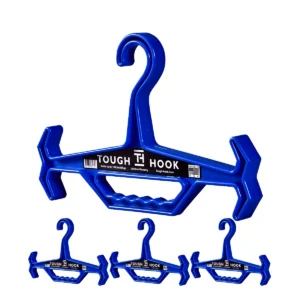
Ready to give your coats better support? Our RHINO Hanger and Original hanger are built for heavy coats and are made in the USA. Shop all heavy-duty hangers.
Frequently Asked Questions
How do you store coats properly?
Clean the coat according to its care label, make sure it is completely dry, and hang it on a sturdy, broad-shouldered hanger. Cover it with a breathable garment bag and store it in a cool, dry, dark closet with space around it.
How do you store a wool coat for the summer?
Brush and clean the coat first, then hang it on a broad hanger inside a breathable garment bag. Store it in a cool, dark closet and use cedar to help deter moths. Check on it once or twice during the summer.
How do you properly store puffer jackets?
Clean the jacket according to the care label, make sure it is fully dry, zip it up, and empty the pockets. Hang it loosely on a sturdy hanger or lay it flat on a shelf, and avoid packing it into a tight space.
How do you store a down coat in summer?
Fluff the coat to redistribute the filling, then hang it loosely in a breathable garment bag or lay it in a large, ventilated bin with nothing on top. Avoid long-term compression, which can make the down lose its loft.
Can you store coats in vacuum bags?
Vacuum bags are best kept for short-term use. Long-term compression can flatten down and synthetic fill and leave hard creases in wool and leather. Breathable garment bags are the safer option for most coats.
Should coats be hung or folded for storage?
Most coats, including wool, leather, and tailored coats, should be hung on a sturdy, broad-shouldered hanger. Lightweight synthetic puffers can be folded loosely or laid flat if hanging space is limited.
How do you keep moths away from stored coats?
Store coats clean, use cedar hangers or blocks, keep coats in zippered fabric garment bags, vacuum the closet regularly, and inspect coats for small holes or larvae during storage.
How do I stop hangers from leaving shoulder bumps on coats?
Use a rigid hanger that is wide enough to fill the shoulders of the coat. Narrow or flimsy hangers concentrate the weight in small points, which creates bumps and stretches the fabric.
Where should I store winter jackets?
During winter, keep them on sturdy hangers in a coat closet or on hooks near the door for daily use. In the off-season, store them clean in breathable garment bags in a cool, dry, dark closet, away from attics, basements, and direct sunlight.
How long can coats be stored safely?
There is no set limit. Coats that are clean, completely dry, and stored in a cool, dry, dark place with breathable covers can stay in good condition for many months or longer. Check on them a few times a year for moths, moisture, or creases.
How do I store jackets in a small closet?
Keep only in-season coats in the closet, use matching sturdy hangers, add a second rod for shorter jackets, and use the door and shelf for hats, scarves, and bags. Move off-season coats to garment bags in another closet or under a bed in a large, ventilated bin.
Can you store coats in plastic bins?
Plastic bins work for lightweight synthetic jackets if the coats are clean and fully dry and the bin is large enough that they are not crushed. Wool, leather, and down coats are better kept in breathable garment bags, since sealed containers can trap moisture.