
Tactical gear is easy to overbuy and easy to underbuy. Too little, and a piece of equipment fails you exactly when you need it. Too much, and you’ve spent money on gear that sits in a closet. This guide breaks down what actually separates good tactical equipment from marketing, category by category, so you can build a setup that matches your actual needs, whether that’s professional duty, range and field use, or everyday preparedness.
How to Judge Whether Tactical Gear Is Actually Worth Buying
Before looking at any specific category, three questions cut through most bad purchases. Does it match a threat or task you actually face, not just an aesthetic? Is it rated by an independent standard where one exists, rather than a seller’s own claims? And can you afford to maintain and store it properly, since gear that’s damaged in storage stops protecting you before it ever sees use?
If you’re new to tactical gear, resist the urge to buy an entire loadout on day one. Start with the piece tied to your most immediate need, whether that’s a first responder duty belt or a compact bug-out bag, and build outward once you know how you actually use what you already own. A beginner who buys ten items at once usually ends up returning half of them; a beginner who buys one well-rated item at a time ends up with a kit that fits how they actually operate.
How to Compare Tactical Gear Brands
Tactical gear has enough small manufacturers and rebranded overseas products that comparing brands deserves its own step, separate from judging an individual item. A few checks separate a brand worth trusting from one riding on marketing language alone.
Look for a company that publishes real specs, fabric denier, plate material and areal density, stitching type, rather than adjectives like “military-grade” with nothing behind them. Check whether the warranty is a real lifetime or limited-year policy stated in writing, not just a claim on a landing page. Read reviews from people who actually work in the field the gear is built for, law enforcement forums, military surplus communities, or outdoor professionals, since influencer reviews rarely reflect years of daily wear. And check whether the brand has a physical presence and responsive customer service, since a company you can actually reach matters if a plate arrives damaged or a warranty claim needs to be filed.
Different brands also specialize in different users. Civilian-focused tactical gear tends to prioritize storage and everyday preparedness over combat load-bearing, while gear built for women addresses fit and sizing that generic unisex lines often get wrong. Matching a brand’s actual specialty to your use case matters more than picking whichever name shows up first in search results.
Body Armor and Plate Carriers
Body armor is the one category where the wrong choice has real consequences, so start with the National Institute of Justice’s ballistic resistance standard rather than a brand’s marketing copy. NIJ Level IIA and II stop common handgun rounds. Level IIIA adds protection against higher-velocity handguns. Level III and IV are rated for rifle threats, with IV rated against armor-piercing rounds. Confirm any plate’s rating directly against NIJ’s published standards before buying.
A plate carrier is a vest that holds plates in place, along with magazines and medical pouches and other MOLLE-mounted gear. Fit matters as much as rating: a carrier that shifts or gaps under movement reduces the coverage your plates actually provide. Adjustable cummerbunds and shoulder straps are worth prioritizing over extra pouches. Law enforcement buyers comparing options should also see our breakdown of tactical equipment for police duty for gear vetted against day-shift and patrol requirements specifically.
Already own a plate carrier? A loaded carrier with plates in can weigh 20 to 35+ lbs, and a standard hanger rated for 15 lbs will bend under that within weeks. The Original Tough Hook Hanger is rated for 200+ lbs and built for exactly this.

Tactical Clothing and Footwear
Tactical pants and shirts are built from tougher fabrics than everyday clothing, usually ripstop nylon or reinforced cotton blends, with articulated knees and reinforced stitching at stress points. When comparing options, weight, pocket count, and how the fabric moves under load matter more than camouflage pattern for most buyers. See our guide on choosing the right pants hangers once you’ve got a rotation of tactical pants worth protecting.
Footwear is where corners are most often cut and shouldn’t be. Look for slip-resistant outsoles, ankle support, and waterproofing, and break in the boots before you rely on them. Moisture-wicking undergarments and gloves round out the clothing category, and eyewear rated for impact resistance matters as much as UV protection if you’re anywhere near range or field use.
Tactical Tools and Everyday Carry Essentials
A pocketknife, a multitool, and a flashlight are the three items that show up in nearly every experienced EDC kit, and for good reason: they cover cutting, minor repair, and visibility in one small footprint. Beyond those three, EDC pliers, a reliable pen, and a compact first aid item round out a setup without adding real bulk. For a deeper breakdown of building a personal EDC kit item by item, this EDC essentials guide is a solid starting point.
When comparing tools, durability and simplicity beat feature count. A multitool with fewer, sturdier implements will outlast one with twenty gimmick attachments that fail under real use.
Beyond pocket-sized items, a broader set of tactical tools covers gear maintenance and field repair: a folding saw or pry bar for clearing obstacles, a compact sharpening stone for blade upkeep, and a small sewing or webbing repair kit for a torn strap in the field. These are tools that don’t get used daily but earn their space in a bag the one time a zipper or buckle fails miles from a replacement. Tactical tomahawks and entrenching tools fall into the same category: rarely needed, but built for the one situation a standard camping hatchet isn’t rated to handle.
Weapon Accessories: Holsters, Optics, and Cases
Holsters, scopes, and gun cases exist to make a weapon safer and more functional to carry, not to enhance the weapon itself. A holster should hold securely while still allowing a fast, clean draw. Optics and cases are about protecting your investment and maintaining accuracy over time, rather than storing it loose in a bag where recoil and impact can knock things out of alignment. As with body armor, licensing requirements for specific weapons and accessories vary by state, so check local regulations before purchasing any restricted items.
Understanding Tactical Jargon
MOLLE refers to the webbing system used to attach pouches and accessories to a vest, belt, or pack. EDC (Every Day Carry) refers to the items you carry daily for utility or preparedness, independent of any specific gear system. Plate carriers and tactical vests are often used interchangeably, but aren’t the same thing: a plate carrier specifically holds ballistic plates, while a vest provides storage and attachment points without necessarily offering ballistic protection.
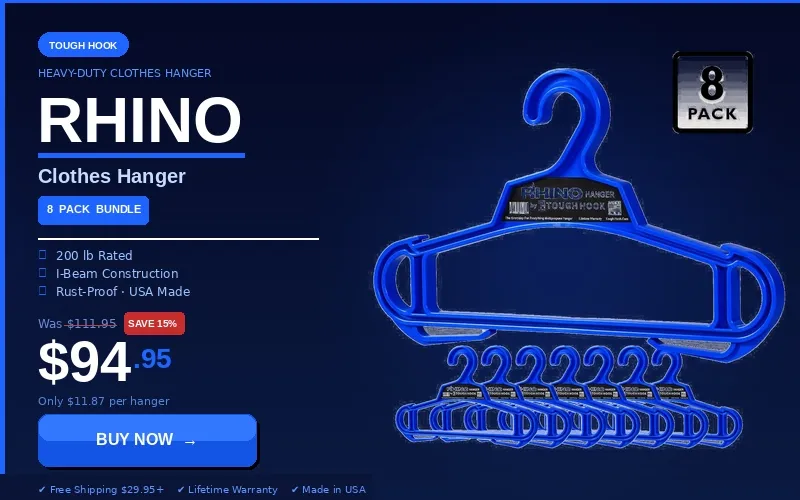
Building out a full loadout? A first-, second-, and third-line setup means several pieces of gear all need proper storage at once, not just one. The RHINO 8-Pack Bundle includes a full kit, each rated to 200 lbs.
Building a Loadout That Fits Your Mission
Rather than buying everything in a category at once, it helps to think in three tiers, a structure borrowed from how military and law enforcement loadouts are typically organized:
- First line: belt-level gear you need instantly, such as a sidearm, spare magazines, and a compact medical kit.
- Second line: your plate carrier or vest, holding armor plates, additional magazines, and communications gear.
- Third line: a pack for sustainment, food, water, and shelter items for an extended time away from a base of operations.
Building outward from the first line to the third line, rather than buying a full kit at once, keeps spending aligned with what you’ll actually use and makes it easier to identify gaps in your setup. Once you’re combining first, second, and third-line gear into a single pack, keeping it organized matters as much as what’s in it. See our guide on organizing a tactical backpack for how to keep a growing loadout accessible instead of a tangled mess.
Tactical Gear for Water and Dive Operations
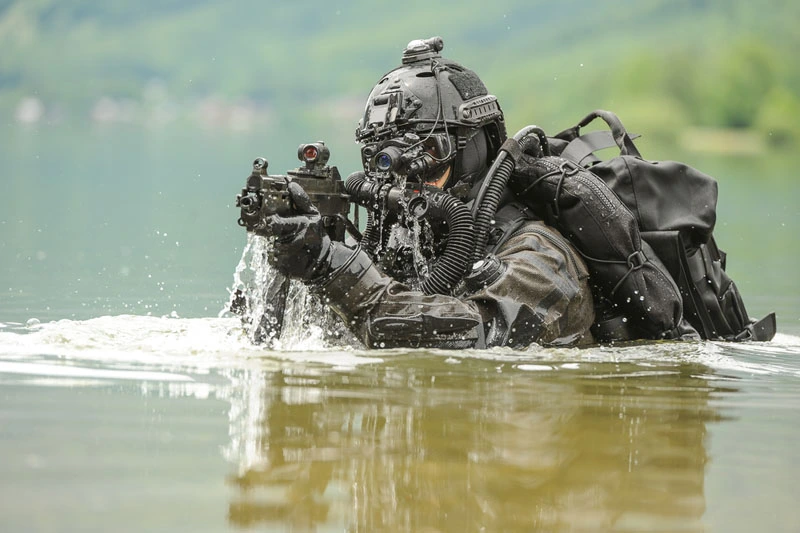
Water and dive operations put different demands on gear than dry-land tactical work, and this is a category most general buying guides skip entirely. A wetsuit or drysuit rated for the actual water temperature matters more than a rating pulled from a generic size chart, since hypothermia risk changes fast once water temperature drops. Dive knives should be corrosion-resistant, typically titanium or coated stainless steel, and mounted where they’re reachable with either hand in an emergency.
Buoyancy control devices (BCDs), fins, and masks should fit snugly enough to stay functional under current, and any electronics, dive computers, underwater communication units, or waterproof cases need an IP rating that actually matches the depth they’ll be used at, not just a splash-resistant claim. Storage matters here too: a soaked wetsuit or BCD left crumpled in a bag or on a standard hanger breaks down faster than one hung to dry properly, which is why gear built to hold heavy, water-laden equipment is worth the same consideration as storage for a loaded plate carrier.
Caring For and Storing Your Tactical Gear
Cleaning requirements depend on the material. Leather needs conditioning to avoid cracking, nylon and synthetic blends generally tolerate machine washing on a gentle cycle, and any material with a waterproof coating should avoid high heat, which breaks down that coating over time. Weapons need their own separate maintenance routine of cleaning, oiling, and inspection, distinct from clothing and soft gear care.
Storage matters just as much as cleaning, and it’s the part most buying guides skip entirely. A loaded plate carrier or duty belt left on a standard closet hanger will bend the hanger and deform the gear’s shape over time, much like a wet coat ruins a wire hanger. A hanger rated for the actual weight of a loaded carrier keeps armor, vests, and uniforms in the shape they were built to hold, ready to grab rather than being dug out of a bin. For a full breakdown of how to set up a dedicated storage space for a growing kit, see our guide on building a tactical gear storage space.
What’s Changing in Tactical Gear for 2026
Lightweight armor materials continue to close the gap between protection level and wearable weight, which matters most for anyone carrying a rifle-rated setup for extended periods. Modular designs are pushing further into accessory categories beyond vests, with MOLLE-style attachment points showing up on packs, belts, and even some footwear. Expect continued movement toward gear that can be reconfigured for multiple roles rather than single-purpose equipment, since that flexibility reduces both cost and the amount of kit someone needs to store and maintain.
Conclusion
The best tactical equipment isn’t the most expensive or the most heavily marketed. It’s the gear that’s rated to a real standard where one exists, fits your actual use case rather than an aesthetic, and gets stored properly enough to still perform when you need it. Start with the categories that carry real consequences, body armor and footwear, get those right, and build outward from there.
Frequently Asked Questions
What’s the difference between tactical gear and military gear?
Military gear is issued equipment built to a branch’s exact specifications and procurement standards. Tactical gear is the broader commercial category inspired by that equipment, sold to civilians, law enforcement, and enthusiasts, and it doesn’t have to meet military-issue specs to be genuinely durable and functional.
What NIJ level of body armor do I need?
It depends on the threat you’re protecting against, not personal preference. Level IIA and II stop common handgun rounds, Level IIIA adds protection against higher-velocity handguns, and Level III and IV are rated for rifle rounds. Check a plate’s rating against the National Institute of Justice’s standard before buying, not just the seller’s marketing claims.
What’s the difference between a plate carrier and a tactical vest?
A plate carrier is designed to hold ballistic plates and is rated by the protection level of those plates. A tactical vest offers pockets and MOLLE attachment points for gear, but doesn’t necessarily include ballistic protection.
What should be in a basic tactical gear loadout?
Most loadouts break into three groups: belt-level gear you need instantly, a plate carrier or vest for armor and frequently used pouches, and a pack for sustainment items such as water, food, and a first-aid kit. Start with belt-level essentials and build outward rather than buying everything at once.
How much does a full tactical loadout cost?
A basic civilian setup without body armor can run a few hundred dollars. Adding NIJ-rated plates and a quality carrier typically adds $200 to $1,000 or more per plate depending on protection level and material, so a full rifle-rated loadout commonly reaches several thousand dollars.
How do I store tactical gear so it doesn’t lose its shape?
Hang loaded vests, plate carriers, and uniforms on a hanger rated for their actual weight rather than a standard closet hanger, which will bend or sag under a loaded carrier over time. Keep gear in a cool, dry, ventilated space and off the floor to prevent moisture damage and pest issues.
Is tactical gear legal for civilians to own?
Most tactical clothing, packs, and accessories are unrestricted for civilian purchase. Body armor is generally legal for civilians to own in most states, though a small number restrict it for convicted felons, and specific weapons or accessories may require permits or licenses depending on your state and local regulations.
How do I compare tactical gear from different brands?
Check whether the brand publishes real specs, such as fabric denier or plate areal density, rather than vague marketing terms, confirm the warranty is stated in writing, and read reviews from people who use the gear professionally rather than relying on influencer content alone.
What tactical equipment is good for someone just starting out?
Start with one piece tied to an actual need, such as a duty belt or a basic bug-out bag, rather than buying a full loadout at once. Build outward as you learn how you actually use your gear, and prioritize independently rated items like NIJ-certified armor over unrated alternatives.
Is there tactical gear made for diving or water operations?
Yes. Wetsuits and drysuits rated for actual water temperature, corrosion-resistant dive knives, and dive computers or cases with a depth-appropriate IP rating are built specifically for water and dive operations, and they need different care and storage than dry-land tactical gear.