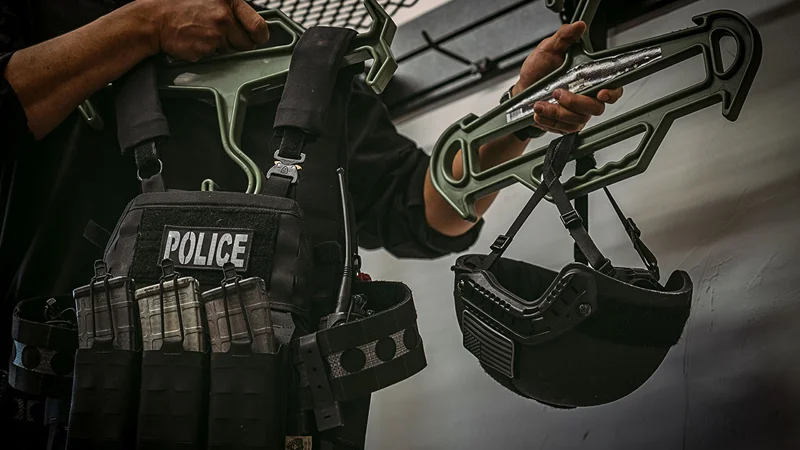
The world is so unpredictable today that many people are considering what they would need in the event of a disaster. They want to be prepared for anything that might happen in the future. The reality is that it isn’t such a bad idea. More and more people are experiencing power outages from storms and other natural disasters, and having the right tactical essentials on hand can help you get by until you get through it.
Essential tactical equipment and tactical gear cover the basics: electricity, food, and water, plus the gear that keeps you mobile and protected. Below are the seven items worth putting at the top of your list, and the tools that make it easy to keep them organized and ready to grab.
Who Needs a Tactical Essentials Kit
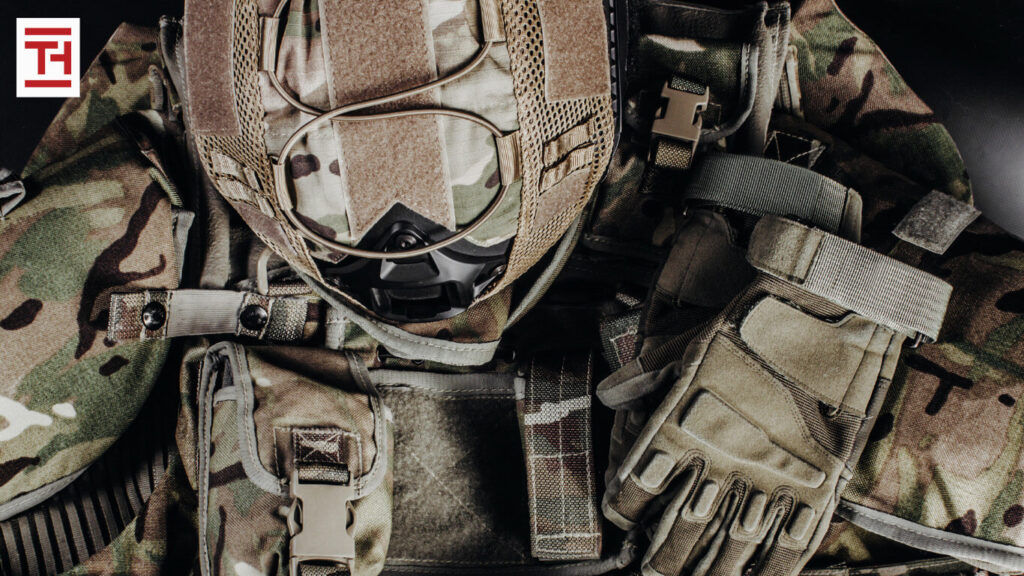
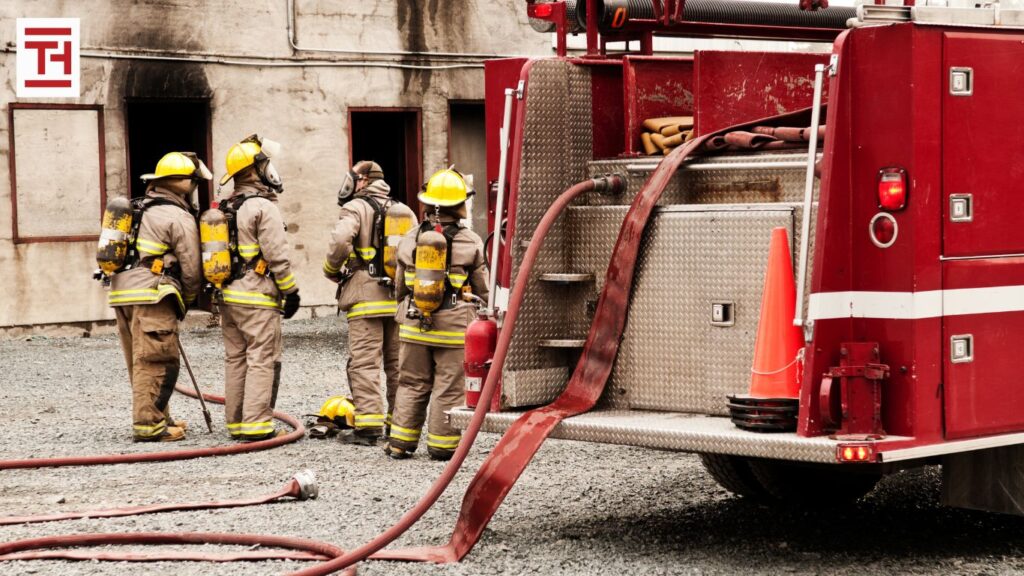
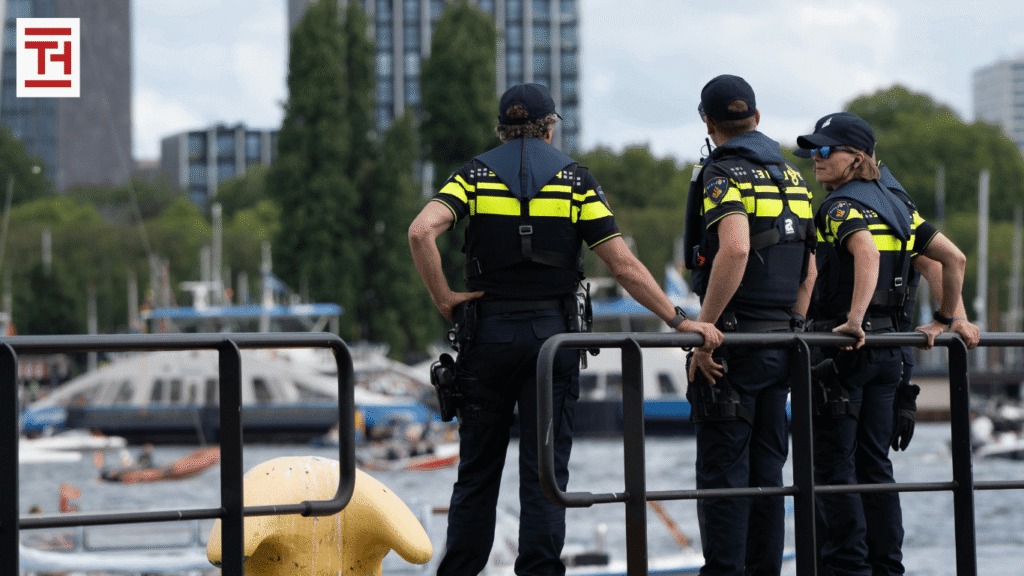
Military personnel, law enforcement officers, and first responders treat tactical essentials as mission-essential equipment they can trust under pressure. See this guide to military tactical gear essentials if that’s your starting point. Preppers and everyday adventurers have similar tactical needs, just with civilian goals: staying safe and mobile if the power goes out or you have to leave home in a hurry. Whatever your reason for stocking up on tactical supplies, the core list below covers the gear most people reach for first.
Seven Essential Tactical Equipment and Tactical Gear Items That You Need
1. A Sturdy Backpack with Supplies
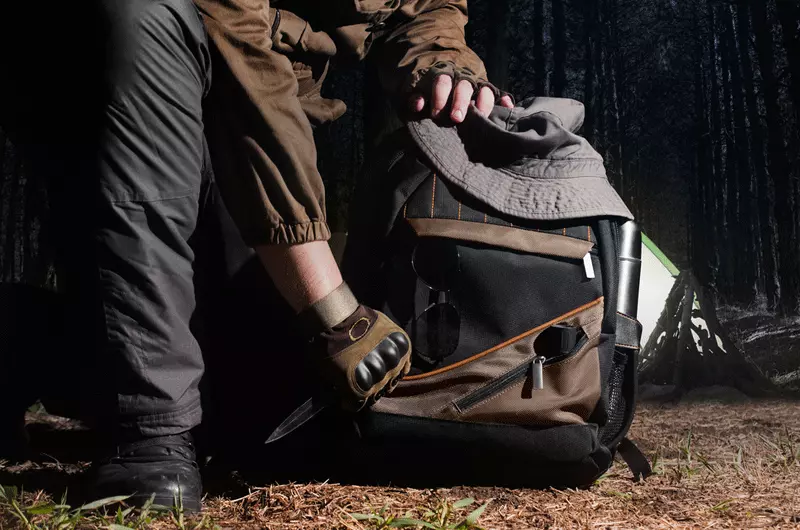
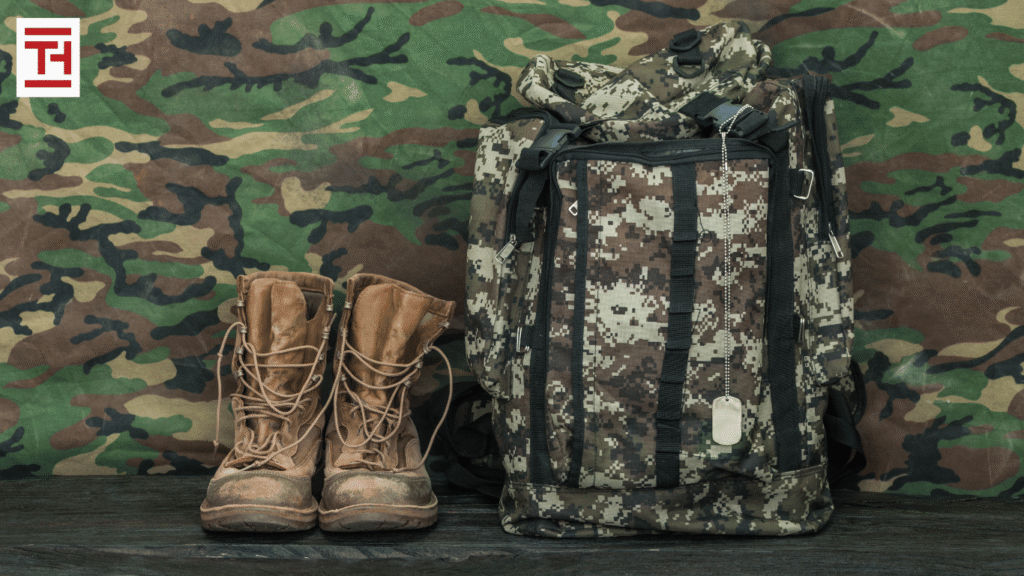
First, you must choose a sturdy backpack that is strong enough to hold your essential tactical equipment or tactical backpack gear. At the same time, you need to be able to carry it wherever you need to go. You should fill it with items to help you in an emergency or a disaster. You need certain things, including water filters and water, dehydrated and canned foods, a knife, rope or string, a basic first aid kit, a gun and ammo, matches, and a compact blanket.
These supplies will allow you to survive no matter where you need to go, and you should pack them as compactly as possible into your backpack. You can get a backpack that is made specifically as a tactical backpack. It will be lighter than other backpacks, making it easier to carry. You want to ensure that you have a lot of pockets to keep your items organized and accessible.
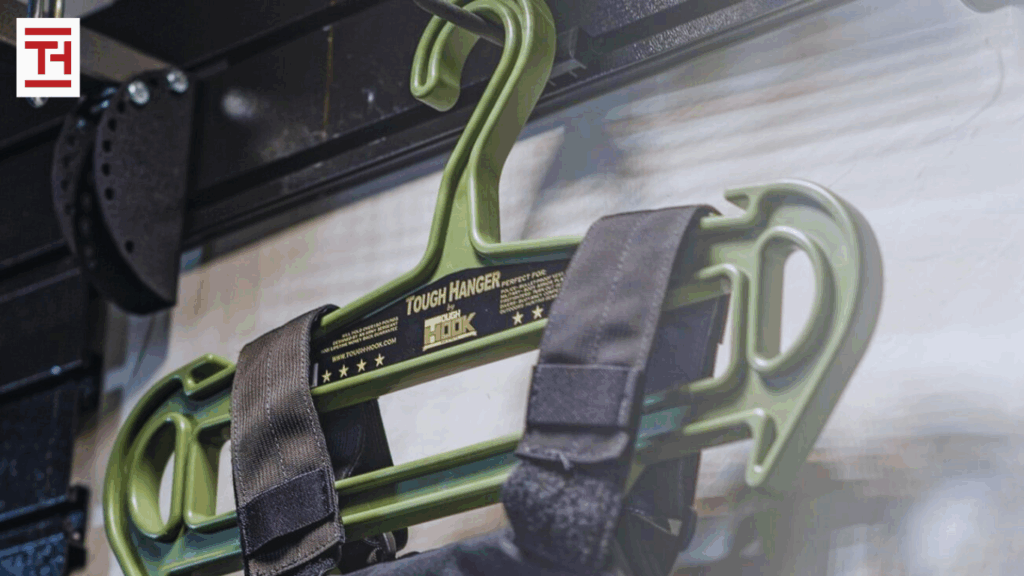
2. Tough Hook Hangers
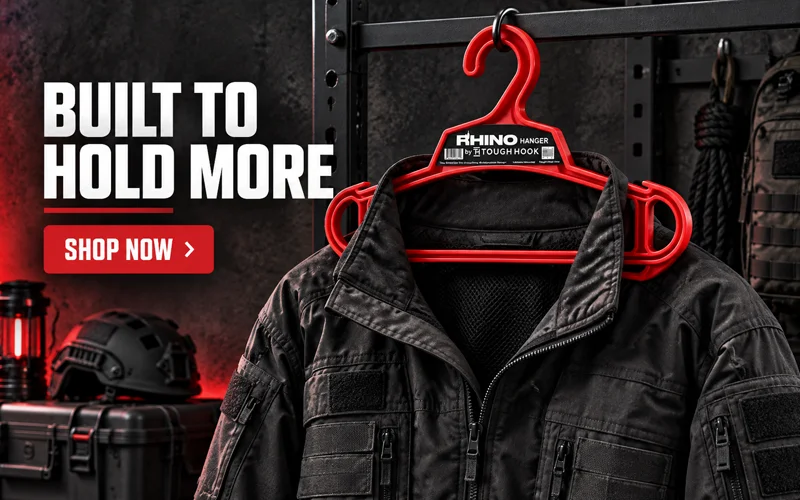
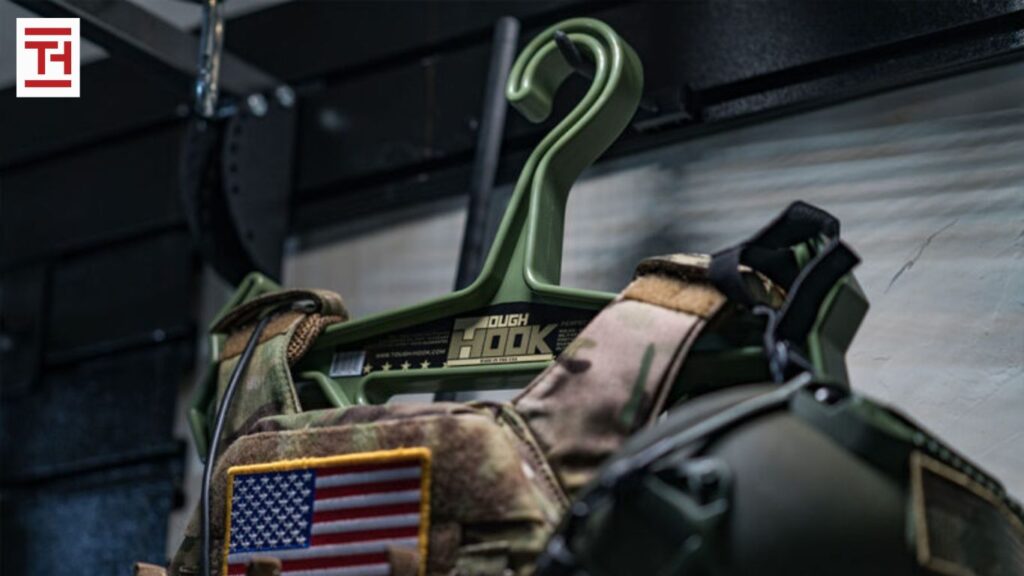
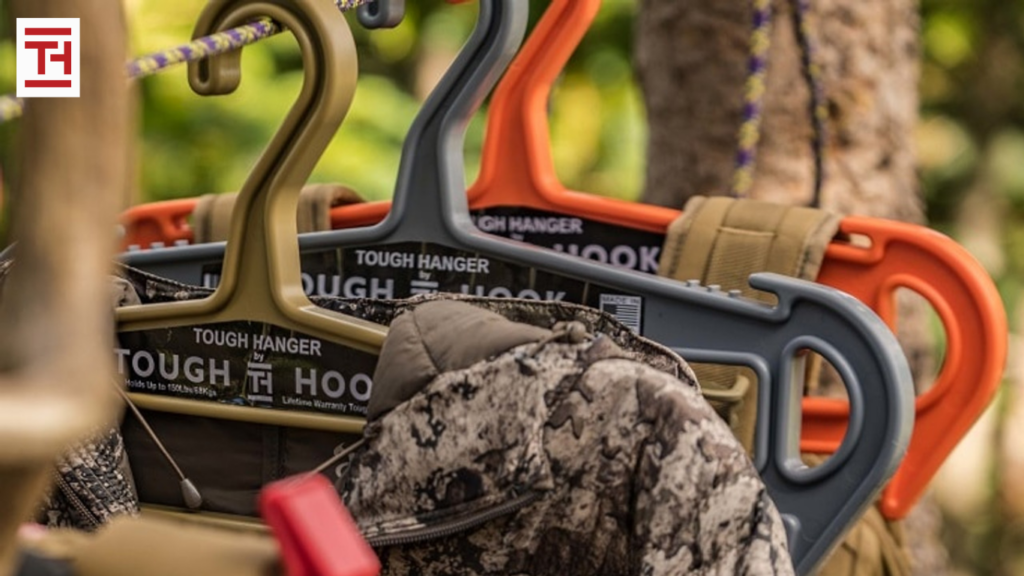
A tough hook hanger is an excellent tool for holding your tactical equipment. It is sturdy and rugged, holding up to 200 pounds (see how much weight a heavy-duty hanger can hold for a closer look at what that means in practice). You can store your tactical kit on the hanger itself and take it with you if you need to go. If you leave your home, it will provide a safe place to keep your tactical kit. For more ways to keep a full kit organized and ready to grab, check out these tactical gear storage ideas.
3. Good Shoes

Protecting your feet is essential to survival. If you are dealing with any natural disaster, some form of flooding or debris will likely be in your way. If you injure your feet, you will no longer be mobile. Ensure you have a sturdy pair of shoes for your essential tactical equipment.
When you look at shoes, check the bottoms to ensure they have tough tread. You want protection for your toes and your ankles. In addition, make sure that your shoes are made out of rugged materials that can handle getting wet and doing a lot of walking. For a closer look at what separates a durable pair from the rest, see why tactical boots are essential.
4. Navigation and Communication Gear
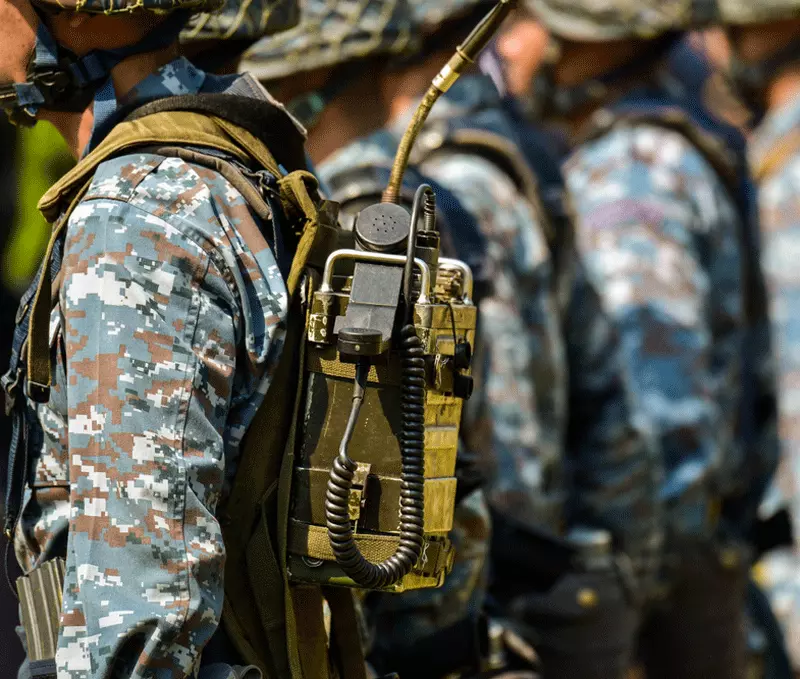
A natural disaster often leaves you without power or communication. If the cell towers and electric poles are out, your phone and computer won’t work. You need to make sure that you can communicate and get where you need to go. One communication device that you can get is a satellite phone. This will allow you to communicate with others. You can get a satellite phone with navigation capabilities and might consider getting a reliable compass or an offline map as a backup in case your electronics fail.
5. A Power Bank
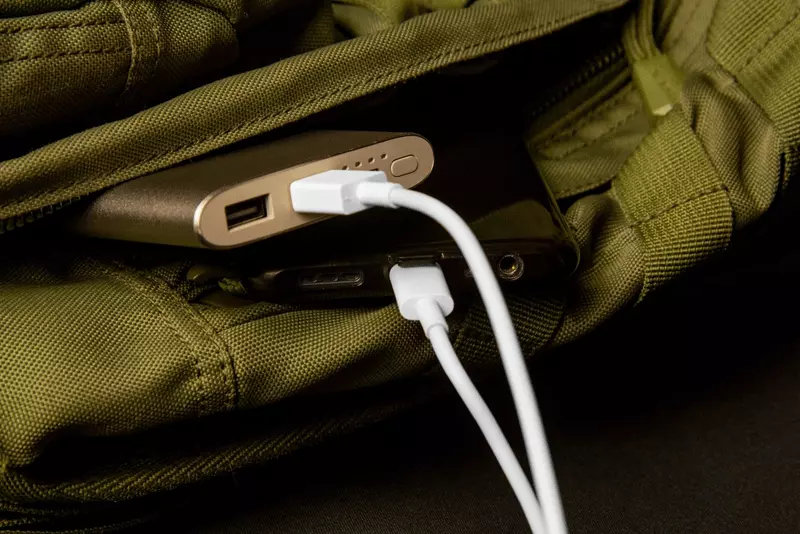
In most natural disasters, your electricity will go out. This leaves you no way to use items that need to be recharged or use power. However, a power bank can give you another charge. Consider the items you want to charge and get a suitable power bank. You have to carry this power bank with you, so you don’t want to choose one that is too heavy and bulky. Choose one that charges your essential tactical equipment, such as your phone and flashlight.
6. A Tactical Belt
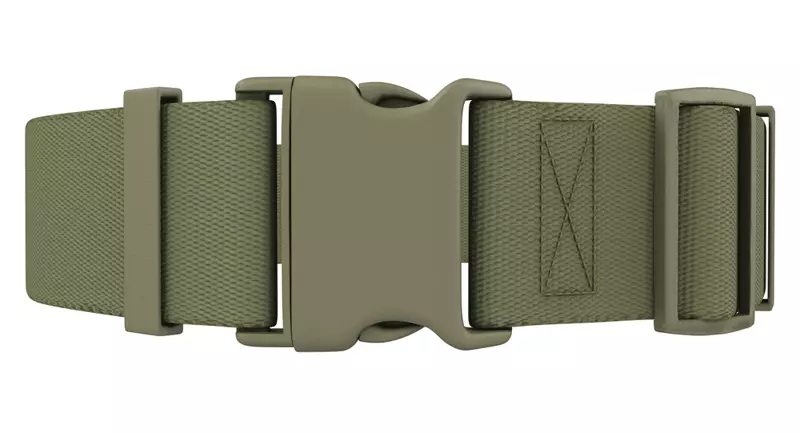
The tactical belt will give you a place to store some tactical gear. It has spots to carry essentials such as your flashlight, knife, multitool, and anything else you want to access immediately. You should find one made of tactical nylon that is lightweight and rugged at the same time.
7. A Tactical Flashlight
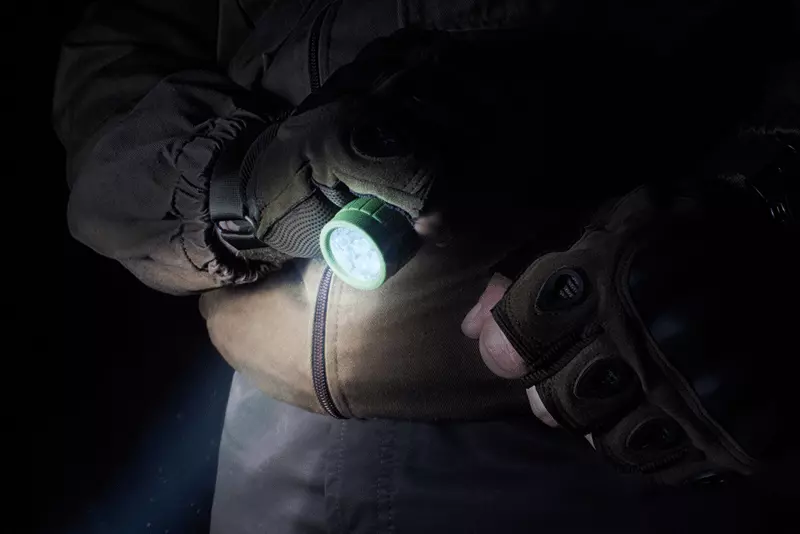
A flashlight is every kit’s essential tactical equipment or tactical gear. Since you will likely be without electricity in a disaster, a tactical flashlight is one of the most important pieces of tactical gear. You need to choose one that is compact but still has a powerful light.
There are a lot of different choices out there. If you find one with options such as distress signals, that may help if you are stranded and need assistance. Be sure to check out the features of the tactical flashlight, including the battery duration, brightness, size, and weight, and whether or not it has rechargeable batteries. You should have extra batteries for your flashlight.
Tactical Tools and Multi-Tools Worth Carrying
Alongside the seven items above, a compact set of tactical tools rounds out any kit. A quality knife, a multitool with pliers and a screwdriver, and a small tactical gadget like a paracord bracelet or a whistle take up very little space but solve a lot of small problems in the field. If you’re already carrying the tactical belt from #6, most of these tools clip on or slide into a pouch so they’re within reach without digging through your pack. They’re a small addition to your tactical gear essentials, but one that’s easy to overlook until you actually need it.
Final Words
If you want to be prepared for an emergency or a natural disaster, you can build a solid kit using these seven tactical essentials. Once you have the gear, the next step is keeping it organized so you’re not digging through closets when it matters. A tactical hanger system keeps your kit in one place and ready to move. If you’re still narrowing down what belongs in your setup, this guide on choosing the best tactical equipment is a good next read.
Resources:
- Tactical Belt by Chase Tactical
Frequently Asked Questions
What type of shoes should I include in my tactical gear?
Shoes that have tough tread, provide protection to your toes and ankles, and are made out of rugged materials that can handle getting wet and extensive walking are essential.
What are the options for communication and navigation during a natural disaster?
Options include a satellite phone, which can help you communicate even if cell towers are out, and a reliable compass or offline map for navigation.
How useful is a power bank in a survival kit?
A power bank is vital as it can charge your essential tactical equipment, such as your phone and flashlight, in situations when a regular electricity supply is unavailable.
What is the most important tactical essential for beginners?
A sturdy backpack packed with the basics, such as water, food, a knife, and a first aid kit, is the foundation most people should start with before adding specialized gear.
How should I store my tactical gear so it’s ready when I need it?
Keep your kit in one dedicated, easy-to-reach spot rather than spread across drawers and closets. A heavy-duty tactical hanger lets you hang a fully loaded pack or vest so you can grab it and go without repacking.
What tactical tools should be in every kit?
A knife, a multitool, and a small gadget such as a paracord bracelet or a whistle cover most situations without adding bulk to your pack.