
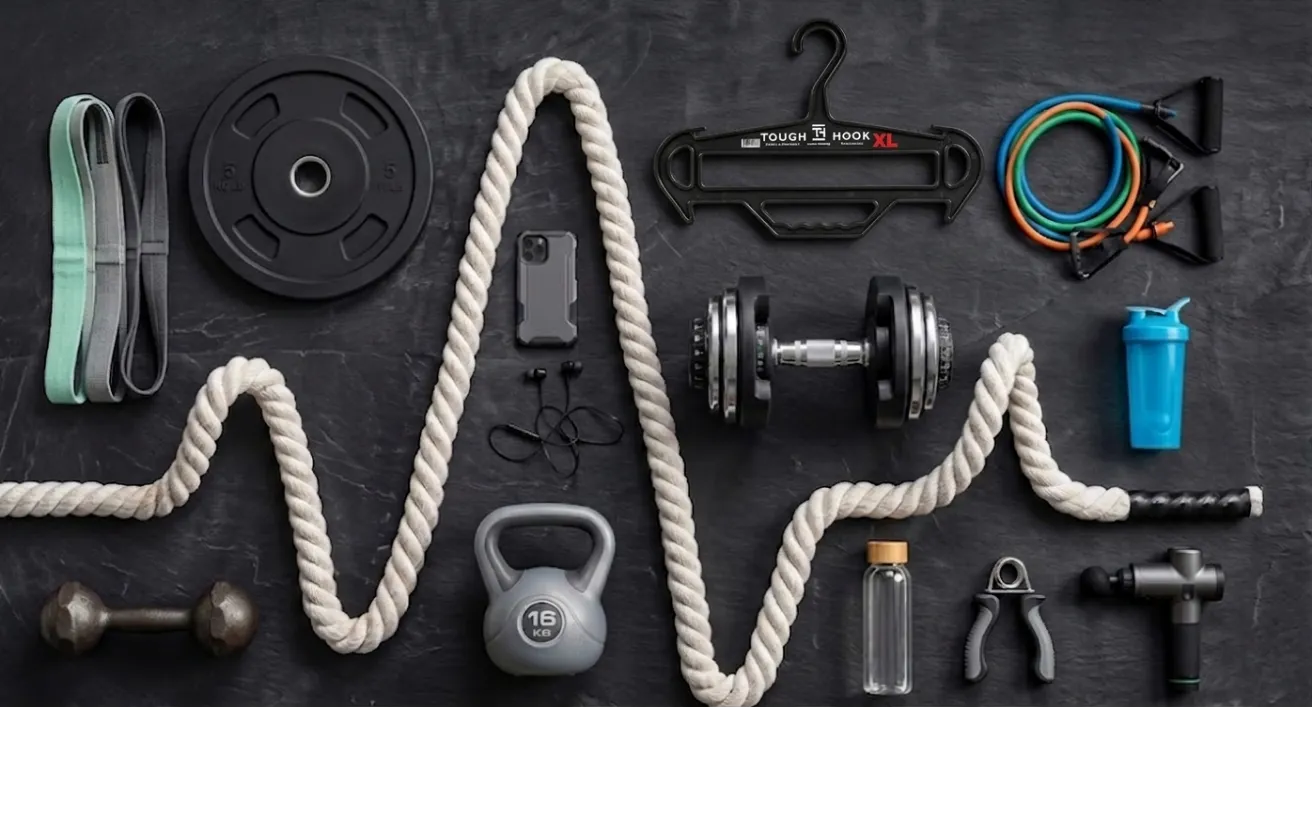
Transforming your home workout space into an organized haven doesn’t have to be intimidating. With clever storage solutions and a bit of planning, you can guarantee efficient use of space and a more enjoyable exercise experience with everything you need at your fingertips, neatly arranged and easily accessible.
Planning and Needs Assessment
Begin by defining your training goals and style. Whether you’re into bodybuilding, CrossFit, or powerlifting, each discipline requires different equipment. According to the American Council on Exercise, clarifying long-term fitness goals is one of the most important steps before investing in home equipment, as it helps you choose wisely and avoid costly repurchases.
Measure your space precisely and record dimensions, including ceiling height, to ensure equipment fits, especially for pull-ups and overhead exercises. Create a simple scale drawing to visualize your layout before committing to anything.
Budget planning is equally essential. Set short-term and long-term purchasing goals to guide phased equipment decisions, prioritizing versatile essentials first and exploring used options for savings. Choose a suitable location, a garage or spare room works well, and factor in environmental considerations, such as temperature control.
🏋️ Ready to build a cleaner, more functional gym space? Start with the foundation gear storage that actually holds up. The Tough Hook Original Tactical Hanger is rated to 200 lbs and built to handle everything from loaded packs to heavy outerwear without bending, breaking, or giving out. Shop the Original Tough Hook Tactical Hanger

Vertical Storage Solutions
Maximizing vertical space is one of the most effective ways to keep your gym functional without eating up floor area.
Vertical dumbbell racks optimize floor space significantly while keeping weights accessible and safely off the ground. For barbells, compact vertical storage keeps them organized and out of the way between sessions.
Heavy-duty hangers play an underrated role in gym organization. Tough Hook’s hangers are rated to hold up to 200 lbs, making them ideal for hanging tactical gear, wet suits, loaded gym bags, uniforms, and bulky outerwear that would otherwise pile up on benches or the floor. Wall-mounted hanger setups keep this kind of gear elevated, accessible, and out of high-traffic workout zones.
Multi-functional rack systems that incorporate landmine and battle rope attachments further increase versatility without demanding extra floor space.
The ABC Zone Organization System
The ABC Zone system offers a strategic approach to maintaining order and efficiency across any gym size.
- A Zone — Items you use every single workout: barbells, dumbbells, resistance bands. Keep these visible, front and center, and immediately accessible.
- B Zone — Gear you use occasionally, such as specialty bars or less-used cable attachments. Easily findable but not taking up prime real estate.
- C Zone — Least-used or seasonal equipment. Tucked away to minimize clutter and keep the space feeling clean.
A few habits that make this system stick:
- Always return items to their designated zone after use
- Store weights and barbells on proper racks, never on the floor
- Hang gear, bags, jackets, and harnesses immediately after use rather than draping them over equipment
- Reassess your zones periodically as your training evolves
Furniture Repurposing and Multi-Use Storage
Enhancing your gym’s functionality doesn’t always require purpose-built storage products. Repurposed furniture can be surprisingly effective:
| Furniture Type | Repurposing Idea |
| Dresser | Remove drawers; add open shelving for weights and accessories |
| Bookshelf | Rearrange or remove shelves to accommodate foam rollers and larger gear |
| Ottoman | Convert into a compact weight rack with added seating utility |
Reinforce any repurposed furniture that will hold heavy items, and prioritize pieces that blend functionality with a clean aesthetic. For more ideas on keeping a gear-heavy space organized at home, see our guide on how to organize a guy’s closet.
Specialized Equipment Storage
Under-Stair Storage
The space beneath a staircase is frequently overlooked but highly practical for gym storage. Options include:
- Sliding drawers with heavy-duty slides for weighty equipment, and lighter-duty slides for smaller accessories
- Custom-built cabinets tailored to your staircase’s unique dimensions
- Floating shelves for smaller accessories at odd angles
- Clear containers for gym supplies visibility means you can locate what you need without digging
Mobile Weight Bench Options
A foldable or mobile weight bench is a strong investment for smaller gym spaces, allowing you to reclaim floor area when not in use. Look for benches with multiple incline settings, a high weight capacity, and a compact footprint when folded. Budget-friendly portable options exist for beginners, while serious lifters should prioritize structural rigidity and load ratings over portability.
Heavy-Duty Hangers for Gear Storage
Wall-mounted hanger systems keep gear safely elevated and remove tripping hazards from active workout zones. As covered in our post on heavy-duty hangers every gym rat needs, Tough Hook hangers are built specifically for this purpose their heavy-duty construction handles the weight of tactical vests, wet suits, loaded packs, and thick outerwear that standard hangers simply can’t support. Mounting them directly into wall studs at accessible heights keeps dangerous or bulky items out of children’s reach while maintaining quick access for adults.
💪 Hang more. Store smarter. Never dig through a pile again. The Tough Hook Rhino Hanger is engineered for the heaviest gear in your gym wet suits, loaded vests, thick jackets, and everything in between. One hanger. Zero compromises. Get the Rhino Hanger

Visual Motivation and Space Definition
Define Your Workout Zones
Clearly defined zones improve both safety and focus. A few principles:
- Calisthenics areas need at least eight feet of ceiling clearance for rings and pull-up bars; use thick mats beneath
- Functional fitness and agility areas require room for lateral movement use flooring or mats to visually mark boundaries
- Cardio machines belong near outlets and away from the center of the space
- Mindfulness zones for yoga and stretching benefit from open, quiet corners with equipment stored out of sight when not in use
Room dividers or folding partitions can help separate high-intensity zones from recovery areas.
Motivational Decor
Motivational wall decals, bold quotes from athletes, and color-coordinated gear displays all contribute to a space that feels intentional and energizing. Functional storage that also looks good, like neatly hung gear on a Tough Hook wall setup, reinforces the kind of organized environment that supports consistent training habits.
Making the Most of Any Location
Almost any room in a home can accommodate gym functionality with the right approach:
- Guest room: Use the closet and under-bed storage for equipment; keeps gear out of sight between uses
- Basement: Move shelving to create dedicated equipment zones with ample floor space
- Garage: Wall-mounted systems free up floor area and create clear pathways around machines
- Living room: A TV console or built-in shelving can store mats and light weights without the space feeling like a gym
- Home office or bedroom: Under-bed storage and a quiet corner work well for yoga, stretching, and light resistance work
Final Thoughts
A well-organized home gym doesn’t require unlimited space or budget it requires a clear system. The CDC recommends at least 150 minutes of moderate activity per week, and having a gym that’s organized and ready to use removes one of the biggest barriers to hitting that target consistently. Use vertical storage to keep the floor clear, apply the ABC zone method so everything has a dedicated place, repurpose furniture creatively, and hang bulky gear properly rather than leaving it draped over equipment. Add motivational touches to make the space feel like somewhere you want to be. With the right habits and the right gear, your home gym can be both high-performing and consistently tidy.
Frequently Asked Questions
How can I keep my home gym organized with limited space?
Use vertical storage wall-mounted racks, pegboards, and heavy-duty hangers to reclaim floor space effectively. Opt for multi-use equipment, like adjustable dumbbells, and designate a specific spot for each item.
What are some budget-friendly storage solutions for small home gyms?
Wall-mounted shelves, labeled plastic bins for bands and accessories, and hooks for jump ropes and gym bags are all low-cost, high-impact options. Multi-use racks and heavy-duty hangers maximize utility without significant expense.
How do I maintain cleanliness in my home gym?
Disinfect equipment after each use, wash hands before and after sessions, use clean towels, and store gear in dry areas. Schedule regular deep cleans to prevent buildup.
What are effective ways to reduce noise from gym equipment?
Rubber flooring, soundproof mats, vibration-isolation pads, and strategic equipment placement all meaningfully reduce noise.
How can I ensure the safety of children and pets in my home gym?
Keep the gym door secured and supervise at all times when others are present. Use barriers where needed, store heavy or sharp equipment out of reach, wall-mounted hangers and elevated racks help here, and unplug machines after use.