
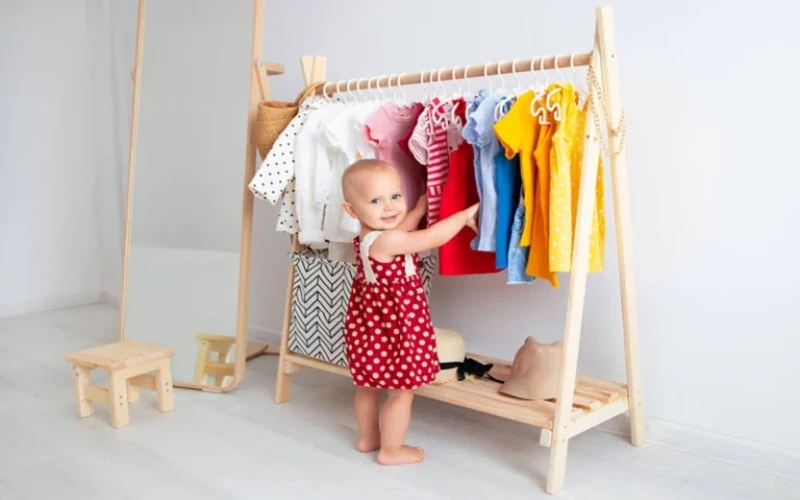
Every parent knows how quickly children grow out of their clothes, leaving behind a plethora of small, delicate items that can quickly overwhelm any closet. Organization is key to maintaining a tidy nursery, and one item that often goes overlooked is the humble baby hanger. Eco-friendly baby hangers not only help keep the closet organized but also offer a safe and stylish choice for mindful parents. This article covers these smart hangers and explains why they are a worthy addition to any infant’s wardrobe.
Understanding Eco-Friendly Baby Hangers
Here is an introduction to eco-friendly baby hangers and why they matter for sustainability and child safety.
Definition and Importance
Eco-friendly baby hangers are sustainably produced clothes hangers designed specifically for infants’ and toddlers’ clothing. They can be made from various materials like bamboo, recycled plastics, or metal, and often have a smaller size to fit baby clothes.
Choosing these hangers is an excellent way to reduce environmental impact and help protect your child’s clothing. Regular plastic or metal hangers can be sharp-edged or poorly finished, and may snag or damage delicate baby fabrics.
Sustainability and Child Safety
The production of eco-friendly hangers generally contributes less plastic waste to the environment than mass-produced disposable hangers, which supports a more sustainable nursery setup. These hangers are also typically made with rounded edges and smooth finishes, so they don’t snag or damage delicate fabrics.
Eco-friendly hanger materials are chosen for their combination of durability and low environmental footprint, which is why bamboo and recycled plastic have become the two most common options for baby-specific hangers.
Materials Used in Eco-Friendly Baby Hangers
Overview of Materials
The most common materials used for eco-friendly baby hangers include bamboo, recycled plastic, and sometimes metal.
- Bamboo – grows quickly and decomposes naturally once disposed of, making it one of the most sustainable hanger materials available.
- Recycled plastic – gives a new life to otherwise discarded materials, reducing plastic waste.
- Metal (lightweight, rounded-edge designs) – durable and space-saving, though less common for very young infants due to weight.
Health and Safety Advantages
Quality eco-friendly hangers are built to be free of harsh chemical coatings sometimes found in cheap traditional plastic hangers, offering a safer choice for your baby’s clothing. Read more about what to avoid in our guide to low-quality plastic hangers. The design of baby hangers also takes into account the delicate nature of infant clothing, so outfits, shirts, dresses, pants, and shorts aren’t stretched or damaged on the hanger.
Environmental Benefits
Choosing eco-friendly baby hangers reduces waste and lowers demand for new plastic production, which in turn helps reduce the greenhouse gas emissions associated with manufacturing.
Are Plastic Hangers Toxic? How to Choose Non-Toxic Baby Hangers
Parents searching for non-toxic baby hangers are often trying to avoid unnecessary chemical exposure while also protecting delicate clothing. Plastic is a broad material category, so it is not accurate to assume that every plastic hanger is toxic. The more useful questions are what material the hanger contains, whether dyes or surface coatings are clearly disclosed, how well the product is finished, and whether it remains stable during normal use.
What “Non-Toxic” Means for Baby Clothes Hangers
The term “non-toxic” is commonly used to describe products made without known harmful coatings or additives under their intended conditions of use. Because the phrase can be used broadly, look for clear material information rather than relying on the label alone. A well-made baby hanger should have a smooth surface, rounded shoulders, no peeling finish, and no strong chemical odor.
Non-toxic hangers for clothes should also be easy to clean and durable enough that they do not crack into sharp pieces. Recycled plastic can still be a practical eco-friendly option when the manufacturer identifies the material and the finished hanger is sturdy, smooth, and designed for repeated use.
Signs of a Safer, Better-Finished Hanger
- Clear material disclosure – choose brands that state whether the hanger is made from bamboo, wood, recycled plastic, metal, or another material.
- Rounded, smooth edges – inspect the shoulders, hook, clips, and seams for rough areas that could catch fine fabric.
- No flaking or sticky coating – avoid products with finishes that peel, transfer color, or feel tacky.
- Low odor – a persistent chemical smell can be a reason to select a different product, especially for a small nursery closet.
- Reliable safety information – give more weight to documented material or testing details than to vague marketing claims.
Are Plastic Hangers Toxic?
Not all plastic hangers are toxic, and material alone does not determine whether a hanger is suitable for baby clothing. Quality, additives, coatings, durability, and condition all matter. Damaged hangers with cracks, sharp edges, or degrading finishes should be replaced, regardless of whether they are plastic, wooden, or metal.
What Types of Hangers Are Best for Baby Clothes?
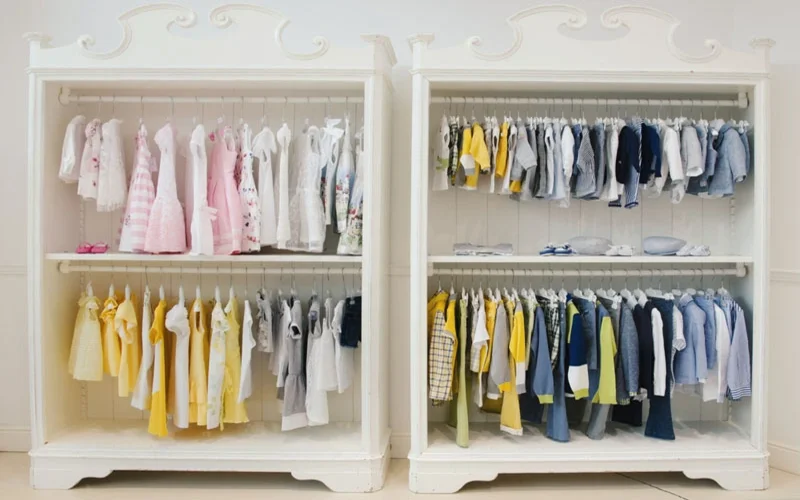
The best hangers for baby clothes are correctly sized, lightweight, durable, and smooth enough to protect small garments. The ideal material depends on the clothing being stored, the available closet space, cleaning needs, and whether non-slip support is required.
Bamboo and Wooden Baby Hangers
Bamboo and wooden hangers provide a firm shape that can support dresses, shirts, and small jackets without bending easily. They can be a plastic-free choice, but the surface should be carefully finished so it does not splinter or snag fabric. Sustainability also depends on responsible sourcing, manufacturing, and how long the hanger remains in use.
Recycled-Plastic Baby Hangers
Recycled-plastic baby clothes hangers are usually lightweight, easy to wipe clean, and available in compact or colorful designs. They can help reuse existing material and may be practical for everyday nursery organization. Look for a sturdy construction, rounded shoulders, and a shape that does not stretch the neckline of infant clothing.
Metal Baby and Toddler Hangers
Slim metal hangers can be durable and space-saving, which is helpful when a closet rack is crowded. For baby clothing, choose a lightweight design with rounded edges or a stable protective finish. Very thin, sharp, or easily bent wire hangers are less suitable for delicate garments because they can create pressure points or distort the shoulders.
Velvet, Flocked, Padded, and Satin Hangers
Velvet or flocked hangers provide a non-slip surface for small dresses, tops, or outfits that slide off smooth hangers. Check that the coating does not shed or transfer onto clothing. Padded or satin hangers can protect keepsake garments and special-occasion outfits, although they are bulkier and may require more careful cleaning than bamboo, recycled plastic, or metal options.
Features That Matter for Baby Coat Hangers
- Correct shoulder width – the hanger should support the garment without pushing beyond its natural shoulder seam.
- Non-slip support – textured surfaces, gentle notches, or garment loops can help secure light clothing.
- Useful hooks or clips – accessories such as adjustable clips can keep matching pants, skirts, or sets together.
- Compact profile – slim, space-saving hangers leave more room for storage bins, laundry items, and other nursery accessories.
- Enough strength for coats – baby coat hangers should be more rigid than hangers used only for lightweight bodysuits or shirts.
Baby Hangers vs. Kids Hangers: What Is the Difference?
There is a difference between baby hangers and kids hangers, mainly in shoulder width, overall size, and the amount of weight they are designed to hold. Baby hangers are generally narrower and are shaped for infant clothing. Kids hangers are wider and may be stronger to support larger toddler and children’s garments.
Choose the Hanger Based on the Garment, Not Only Age
Age labels can help, but clothing size and shoulder width are more reliable. A baby hanger that is too wide can stretch a neckline or leave bumps in the shoulders. A hanger that is too narrow may not support the garment properly, causing sleeves or straps to slide off.
When to Move from Baby to Kids Hangers
Move to a larger kids hanger when shirts, dresses, or coats no longer sit naturally on the baby hanger. The ends of the hanger should remain close to the garment’s shoulder seams rather than extending into the sleeves. Families can keep both sizes in the wardrobe during the toddler stage because different clothing items may need different widths.
Baby Hangers, Toddler Hangers, and Regular Hangers
Baby and toddler hangers are designed for small clothing, while standard adult hangers are usually too wide for an infant wardrobe. Using a compact hanger improves fit, keeps the closet tidy, and helps prevent small garments from becoming misshapen.
What Makes Clothes Hangers Sustainable?
Sustainable hangers should be evaluated across their full useful life rather than by one material claim. Eco-friendly clothes hangers combine responsible material choices with durability, efficient storage, reuse, and a realistic end-of-life plan.
Material and Recycled Content
Bamboo, responsibly sourced wood, recycled plastic, and durable metal can all be used in environmentally friendly clothes hangers. Plastic-free hangers may reduce demand for new plastic, while recycled-plastic hangers give existing material another use. Clear sourcing and material information makes it easier to compare products fairly.
Durability and Reuse
A hanger that lasts through multiple clothing sizes or can be passed to another family may create less waste than a fragile product that needs frequent replacement. Durable construction, replaceable accessories, and a design that works for both infant and toddler garments can extend the product’s useful life.
End-of-Life Options
Before buying, consider whether the hanger can be reused, donated, separated into recyclable parts, or accepted by a local recycling program. Recycling rules vary by material and location, so a recyclable label does not always mean an item can go into every household bin.
Are Metal Clothes Hangers Eco-Friendly?
The eco-friendliness of metal clothes hangers depends on production, durability, recycled content, and whether the metal can be recovered at the end of use. Metal requires energy to manufacture, but a strong hanger that is reused for years and eventually recycled can be a practical sustainable choice. For baby clothes, safety and finish still come first, so select rounded, lightweight designs rather than exposed sharp wire.
Packaging and Honest Claims
Environmentally friendly hangers are more credible when brands provide specific details about materials, packaging, certifications, and disposal instead of using broad green language. Minimal or recyclable packaging can support the overall sustainability of the product, but it should be considered alongside quality and longevity.
What to Look for in an Eco-Friendly Baby Hanger Brand
When comparing eco-friendly baby hanger brands, prioritize:
- Rounded, snag-free edges and a smooth finish
- Clearly stated materials (bamboo, recycled plastic, or metal) rather than vague “eco-friendly” claims
- A size built specifically for infant and toddler clothing, not a scaled-down adult hanger
- Genuine third-party sustainability or safety certifications where available
Styling Your Baby’s Closet with Eco-Friendly Hangers
Space Optimization
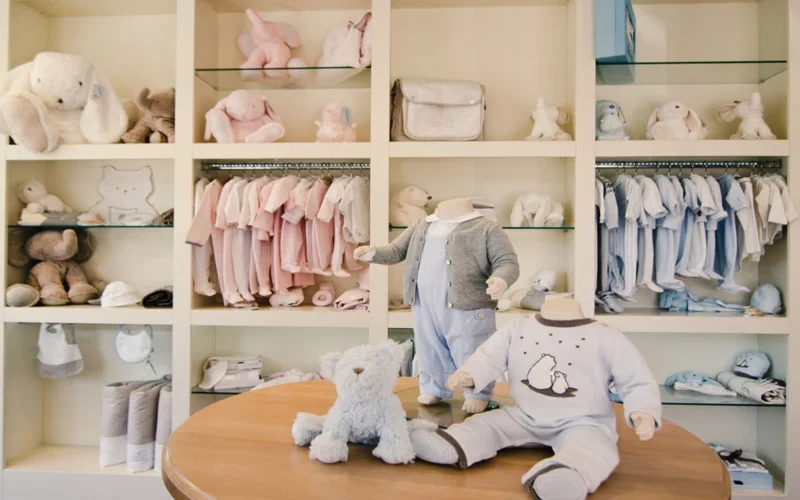
Hangers designed specifically for baby clothes can drastically improve the organization of your child’s closet. Their smaller size fits baby clothes perfectly and maximizes closet space.
Hanger Maintenance
Taking care of these hangers is easy – simply wipe them down with a damp cloth when needed. They’re generally sturdy enough to withstand regular daily use.
Recycling or Reusing Baby Hangers
Once your child outgrows their baby clothes, these hangers can be recycled or reused. They can hold other small items like scarves or neckties, or even be repurposed for craft projects.
How to Organize a Nursery Closet with Baby Coat Hangers
A practical nursery closet combines the right hangers with simple storage zones. Compact baby coat hangers keep small garments visible, while shelves, drawers, baskets, and bins can hold folded clothes, laundry supplies, and accessories that do not need to hang.
Group Clothing by Size and Type
Arrange the closet rack by current size, next size, and outgrown items. Within each group, place similar garments together, such as shirts, dresses, coats, and matching sets. This makes it easier to see what is available and prevents useful clothing from being hidden behind larger items.
Use Hanger Features to Keep Outfits Together
Hangers with gentle notches, non-slip surfaces, hooks, or adjustable clips can keep coordinated garments together. Avoid overloading one hanger, as too much weight can bend the hanger and crease clothing. Small closet dividers can also help parents identify sizes quickly.
Create a Simple Laundry-to-Closet Routine
Keep a small group of empty hangers near the laundry area or at one end of the closet. After washing, inspect each hanger for cracks, rough edges, loose coatings, or bent hooks before returning clean clothing to the wardrobe. Regular checks support both organization and child safety.
Use Color Without Creating Clutter
Colorful hangers can be used to separate sizes or clothing categories, while neutral shades such as beige, cream, gray, or soft pink can create a consistent nursery look. Whatever style you choose, using hangers with a similar compact profile keeps the rack tidy and maximizes storage space.
Making the Switch to Eco-Friendly Baby Hangers
Cost Comparison
Eco-friendly hangers might carry a slightly higher upfront cost than basic plastic hangers, but they tend to pay off over time thanks to their durability and the reduced risk of damaging delicate baby clothing.
Overcoming Challenges
Transitioning to eco-friendly hangers can be as simple as replacing your current hangers whenever they break, or swapping them in as you buy new baby clothes.
First Step Toward Green Choices
By choosing eco-friendly baby hangers, you take a small but meaningful step toward a more sustainable nursery. These choices benefit both your child’s clothing and the planet.
Conclusion
Eco-friendly baby hangers offer a safe, stylish, and environmentally responsible way to organize your child’s wardrobe from protecting delicate baby clothes to reducing plastic waste in the process. A small, considered choice for your nursery closet today.
Frequently Asked Questions
Are eco-friendly hangers safe for baby clothes?
Yes. They’re designed with rounded edges and smooth finishes to protect delicate fabrics.
How do these hangers compare in size to regular hangers?
They’re smaller and designed specifically to fit baby clothes perfectly.
How can eco-friendly hangers optimize closet space?
Their compact size is built around baby clothing, so they maximize space in a small nursery closet compared to standard adult-sized hangers.
Are plastic hangers toxic?
Not all plastic hangers are toxic. Check the stated material, dyes or coatings, product condition, and finish. Avoid hangers with strong odors, cracks, sharp edges, peeling surfaces, or unclear safety claims.
What type of hangers are best for baby clothes?
The best baby clothes hangers are correctly sized, smooth, lightweight, durable, and easy to clean. Bamboo, recycled plastic, rounded metal, velvet, or padded designs can work depending on the garment and storage needs.
Is there a difference between baby hangers and kids hangers?
Yes. Baby hangers are generally narrower for infant clothing, while kids hangers are wider and often stronger for larger toddler and children’s garments.
Are metal clothes hangers eco-friendly?
They can be. A durable metal hanger with recycled content that is reused for years and recycled at the end of its life can be a sustainable option, provided the design is smooth and safe for baby clothes.