
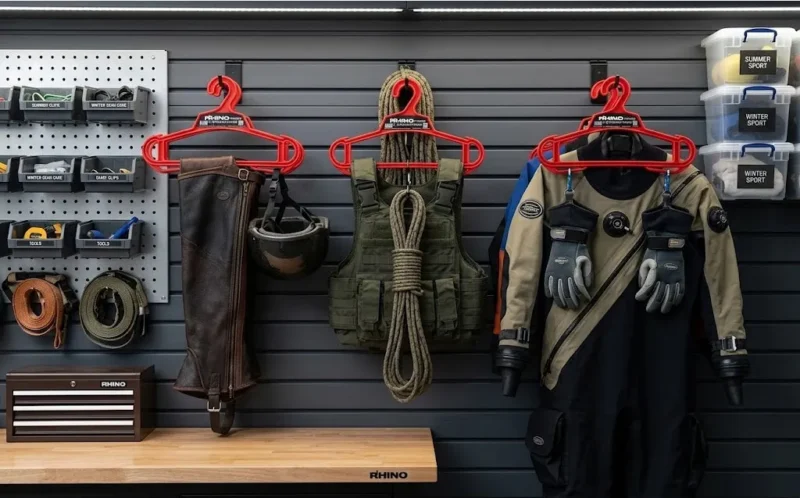
Most closets are full of plastic hangers nobody thought twice about buying, and that’s usually fine, until one bows under a winter coat or snaps holding a loaded jacket. The gap between a hanger that costs a dollar and one that actually holds its shape for years comes down to a few specific things: the plastic itself, the wall thickness, the shoulder shape, and whether the weight rating matches what you’re actually hanging. Here’s how to tell the difference before you buy.
What Makes a Plastic Hanger “Quality” vs. Cheap
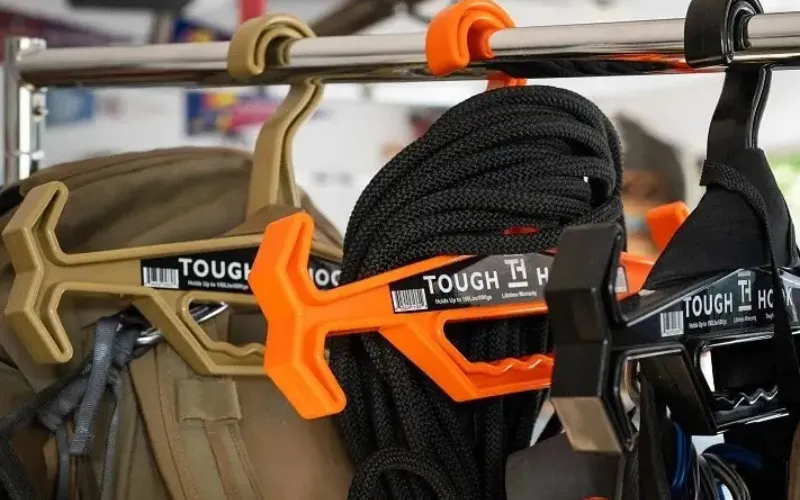
Cheap plastic hangers are usually molded from thin polystyrene or basic ABS, built down to a price rather than up to a load. They work fine for a light shirt and fail predictably under anything heavier. Quality plastic hangers use a denser, tougher plastic with more material at the stress points, the neck and the shoulder, so the hanger flexes slightly under load instead of cracking. The easiest tell without cutting one open: pick it up and flex the shoulders by hand. A cheap hanger creaks and stays bent. A well-built one flexes back to shape.
Durability comes down to those same three factors: the plastic type, the wall thickness at the shoulder and neck, and whether the weight rating actually matches the load. A standard polystyrene hanger typically starts sagging after a season or two of holding anything near its limit. A high-impact polypropylene hanger, built with the same design principles but a tougher resin, holds its shape for years under the same conditions, which is the real difference behind “durability” claims on a hanger’s packaging.
For everyday clothes, plastic’s main benefits over wire or wood are straightforward: it’s lighter, so a full closet rod doesn’t add unnecessary bulk; it resists moisture and rust in a way wire cannot; and it costs little enough to replace an entire closet’s worth without a big outlay.
Weight Capacity: How Much Can a Plastic Hanger Actually Hold?
Weight ratings vary more than most people expect, and manufacturers rarely print them clearly. As a practical guide:
| Hanger type | Typical capacity | Best for |
|---|---|---|
| Standard plastic (PS or thin ABS) | 5–15 lbs | Shirts, blouses, light everyday clothing |
| Wood or standard metal | 15–40 lbs | Suits, structured jackets, mid-weight coats |
| High-impact polypropylene (heavy-duty) | Up to 200 lbs | Winter coats, uniforms, loaded jackets, gear |
A loaded winter coat or a uniform with gear attached can weigh far more than the empty garment suggests. If a standard hanger is only rated for 10 pounds and what you’re hanging weighs close to that once it’s wet or loaded, it’s already at its limit before you’ve accounted for any safety margin.
Plastic vs. Wood vs. Metal Hangers
Each material has a real trade-off, not just a look. Standard plastic is lightweight and resistant to moisture, mold, and rust, making it a solid choice for everyday clothing in any climate. Wood offers a more rigid shoulder and a premium look, which suits tailored jackets and suits well, but it absorbs moisture and can warp in humid closets or garages over time. For anyone specifically weighing wood against plastic: wood typically holds 15 to 20 lbs and looks better on open display, while standard plastic is lighter, cheaper, and won’t warp if your closet or garage sees any humidity at all. Neither matches what high-impact polypropylene can carry.
Standard metal wire is the weakest of the three for anything with real weight: it bends permanently, concentrates pressure at narrow points, and can snag or tear delicate fabric. High-impact polypropylene, a specific type of heavy-duty plastic, outperforms all three in weight capacity while maintaining the plastic’s resistance to moisture and rust. For a deeper side-by-side across all four materials by garment type, see our full hanger materials comparison.
Velvet Hangers vs. Plastic Hangers
Velvet hangers use a slim core, usually wood or plastic, wrapped in a flocked, non-slip coating. That coating solves one specific problem: keeping silk, satin, and lingerie from sliding off a smooth hanger and onto the closet floor. It isn’t built for weight the way a heavy-duty plastic hanger is, and a velvet hanger loaded with a winter coat will bow just as fast as a standard plastic one underneath the coating.
| Feature | Velvet Hangers | Plastic Hangers |
|---|---|---|
| Best for | Silk, satin, lingerie, slippery fabrics | Shirts, everyday clothing, heavy-duty gear |
| Weight capacity | Same as the core material underneath (low) | 5–200 lbs depending on type |
| Grip | Non-slip flocked surface | Smooth, no grip unless coated |
| Cost | Higher, per hanger | Lower, per hanger |
| Recyclability | Limited, bonded coating rejected by most programs | Recyclable through standard channels |
The environmental impact is where the two diverge most. A velvet flocked hanger bonds a foam or fiber coating to its core, so most curbside recycling programs and hanger take-back services reject them outright, the coating can’t be separated cleanly from the material underneath. Standard polypropylene and polystyrene hangers, once any metal hook is removed, are recyclable through the same channels covered later in this guide. If the garment in question is slippery but not heavy, velvet earns its higher price. If it’s heavy, plain plastic or a heavy-duty version is still the more practical choice.
Types of Plastic Hangers and What Each One Is Actually For
Standard Plastic Hangers
The most common type, and the right choice for shirts, blouses, and everyday garments under about 15 lbs. Inexpensive and widely available, but not built for anything heavier.
Heavy-Duty Plastic Hangers
Built from high-impact polypropylene rather than standard plastic, these are designed specifically for coats, suits, and gear that would bend a standard hanger. The RHINO Heavy-Duty Hanger is rated to 200 lbs, well above what any standard plastic hanger can handle.

Kids’ Plastic Hangers
Smaller in scale for baby and toddler clothing, usually colorful and lightweight since the garments themselves weigh very little.
Tiered Plastic Hangers
Multiple hooks on a single frame to hold several garments in one closet slot, useful for closet space efficiency and maximizing rod space rather than for weight capacity.
Velvet Flocked Plastic Hangers
A thin plastic core with a non-slip velvet coating, built to keep slippery fabrics like silk and satin from sliding off rather than to carry heavy loads. See the full comparison above for when this is worth the extra cost over standard plastic.
Specialty Plastic Hangers
Shaped for specific accessories and garment types, ties, belts, scarves, trousers, and skirts, rather than full garments. Trouser and skirt hangers use a clip or clamp bar instead of a shoulder, which avoids the crease lines a standard shoulder hanger leaves across folded pants, and they’re useful for keeping smaller items organized separately from the main closet rod.
Shape, Shoulder Support, and Grip: What to Check Before Buying
A narrow shoulder concentrates a garment’s weight into two small points, which is exactly what causes the visible bumps and stretch marks on sweaters and jackets left hanging too long. A wider, contoured shoulder spreads the same weight across a larger surface area. Grip matters just as much for anything with straps or a tendency to slide, non-slip coatings or textured surfaces keep gear and slippery fabrics from sliding off entirely. Finally, check the hook: it needs to be sized for your actual closet rod, since an undersized hook opening can crack under repeated use on a thicker rod.
When Standard Plastic Hangers Aren’t Enough
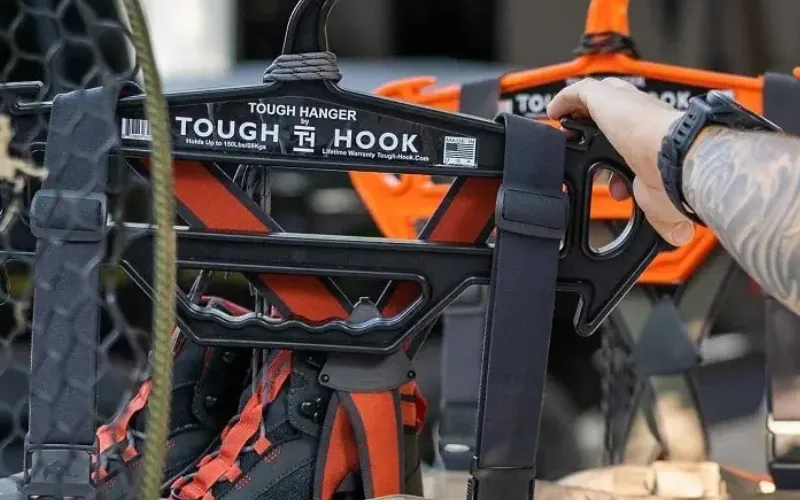
Standard plastic hangers are fine until the load exceeds what they’re built for, and that threshold arrives faster than most people expect. A wet winter coat, a uniform with gear attached, or a loaded jacket can all weigh well past the 5 to 15 lb range a standard hanger handles.
Tactical gear pushes this further: a loaded plate carrier or duty vest commonly weighs 20 to 40 lbs, which is why purpose-built heavy-duty hangers for tactical gear exist as a distinct category rather than an oversized version of a standard hanger. The same logic applies to winter tactical clothing, wetsuits, and motorcycle gear, all cases where the garment’s actual working weight is far higher than it looks on the rack.
What Not to Hang on Standard Plastic Hangers
A few garment types consistently outlast their hanger’s rating, and moving them to the right hanger type up front avoids the bowing and cracking described earlier. Heavy wool or shearling coats, loaded uniforms with duty gear attached, wet outerwear, and structured suits with padded shoulders all exceed the 5 to 15 lb range a standard plastic hanger is built for, they need a heavy-duty polypropylene hanger instead. Delicate silk, satin, or lingerie pieces are a different kind of mismatch: they’re light enough for a standard hanger’s weight rating, but its smooth surface offers nothing to grip, so the garment slides off entirely. That’s the specific case where a velvet or non-slip coated hanger, covered above, earns its higher price over plain plastic.
Caring for and Recycling Plastic Hangers
Keep plastic hangers out of direct sun and extreme heat, both of which make standard plastic brittle over time. Wipe them down rather than exposing them to harsh solvents, which can degrade some plastics. When a hanger does reach the end of its life, most polypropylene and polystyrene hangers are recyclable, though not always through curbside programs, check your local municipality’s guidelines or a dedicated hanger take-back program before tossing a bulk set.
Conclusion
The right plastic hanger comes down to matching the material and weight rating to what you’re actually hanging, not picking whatever’s cheapest at the store. Standard plastic covers shirts and light clothing well. For anything heavier, coats, suits, uniforms, or gear, a heavy-duty polypropylene hanger is the only plastic option built to hold that weight without bending. For a direct comparison of specific hanger brands and what to avoid, see our breakdown of the top 3 plastic hangers you should not buy.
Frequently Asked Questions
Are plastic hangers good for heavy clothes?
Standard plastic hangers are not. Most are rated for 5 to 15 lbs and will bow or crack under a winter coat, suit, or loaded jacket. Heavy-duty plastic hangers made from high-impact polypropylene, rated up to 200 lbs, are built specifically for that weight.
What makes a plastic hanger high-quality?
Four things: the type of plastic (high-impact polypropylene outperforms standard PS or ABS), wall thickness at the shoulder and neck, a wide shoulder profile that spreads weight evenly, and a hook sized to fit your closet rod without pinching.
Are plastic hangers better than wooden hangers?
It depends on the load and the environment. Wood typically holds 15 to 20 lbs and has a classic look but can warp in humid closets. Standard plastic is lighter and moisture-resistant but weaker. High-impact polypropylene plastic holds more than either, up to 200 lbs, without the moisture risk wood carries.
What are the benefits of velvet hangers compared to plastic?
Velvet hangers add a flocked, non-slip coating that keeps silk, satin, and lingerie from sliding off, something smooth plastic can’t do on its own. The trade-off is weight capacity and recyclability: a velvet hanger carries no more than its core material allows, and the bonded coating means most recycling programs reject it, while standard plastic is lighter on cost, holds more weight, and recycles more easily.
Why do plastic hangers bend or break?
Most plastic hangers are molded from standard polystyrene or thin ABS, which is fine for light garments but has a low load ceiling. Once a garment’s weight exceeds that ceiling, usually 5 to 15 lbs for standard hangers, the shoulders bow, the neck cracks, or the hook straightens under the strain.
What hangers are best for jackets and uniforms?
Jackets, uniforms, and structured coats need a hanger with a wide shoulder span and a genuine weight rating, not just a bigger-looking standard hanger. High-impact polypropylene hangers rated to 200 lbs hold their shape under a loaded jacket or duty uniform without bending.
What types of clothes should I avoid hanging on plastic hangers?
Avoid standard plastic hangers for heavy wool or shearling coats, loaded uniforms with gear attached, wet outerwear, and structured suits with padded shoulders, all of these exceed a standard hanger’s 5 to 15 lb rating and need a heavy-duty polypropylene hanger instead. Delicate silk or satin pieces are a separate issue: they’re light enough for plastic, but need a velvet or non-slip coated hanger so they don’t slide off.
Can plastic hangers damage clothes?
Yes, if the hanger is too weak or too narrow for the garment. A hanger that bows under weight creates shoulder bumps and stretch marks, and a narrow hook or shoulder concentrates stress at single points that can tear seams or fabric over time.
How do I choose hangers for heavy gear?
Match the hanger’s stated weight rating to the actual loaded weight of what you’re hanging, not just the garment itself. A loaded jacket, uniform, or gear bag can weigh far more than it looks, and a hanger rated well above that weight, such as a 200 lb-rated heavy-duty hanger, leaves margin instead of running at its limit.